Sukiyaki: the song behind Tokyo’s festival opener
Published on · Updated on
A film about Kyu Sakamoto’s hit song opened Tokyo’s festival. Sung in Japanese, it topped the Billboard Hot 100 for three weeks in 1963; the film explores its story.
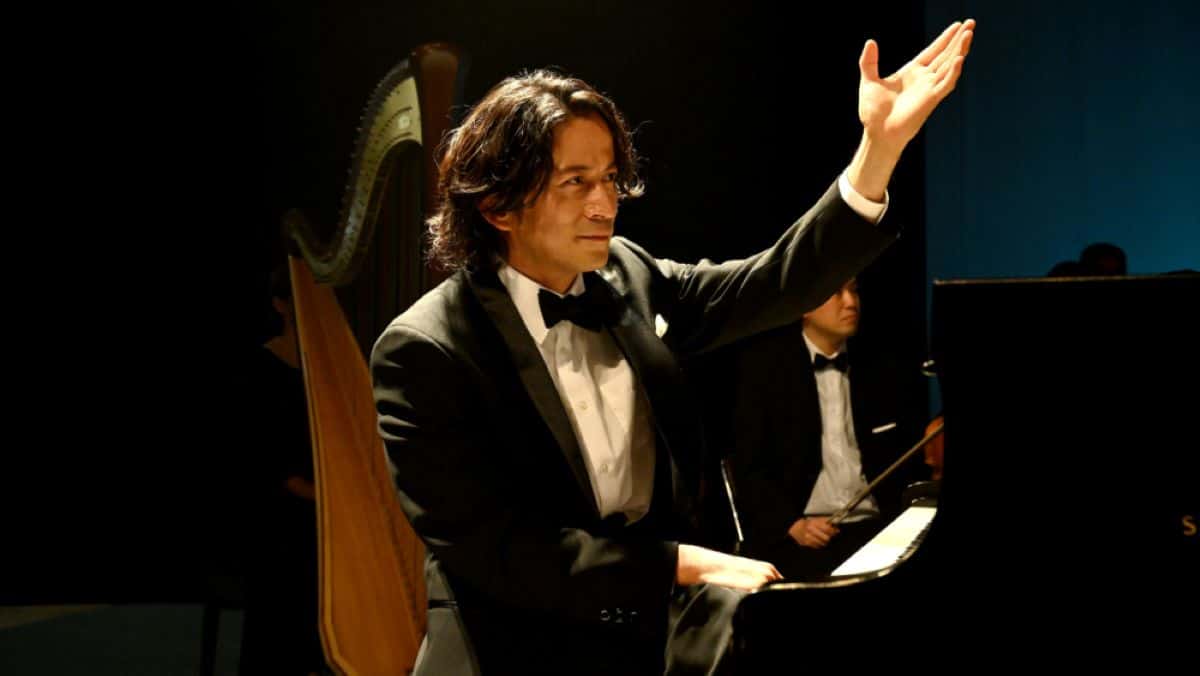
The Japanese song “Ue o Muite Arukō,” known abroad as “Sukiyaki,” connects a landmark in music history with the Tokyo International Film Festival. Directed by Takahisa Zeze, the film SUKIYAKI opened the festival’s 39th edition on October 26, 2026, and dramatizes the collaboration among composer Hachidai Nakamura, lyricist Rokusuke Ei, and singer Kyu Sakamoto. Its Japanese theatrical release is scheduled for December 25.
The opening-film selection has renewed attention on a song whose international breakthrough came more than six decades ago. Sung in Japanese, it topped the U.S. Billboard Hot 100 in 1963 and held the No. 1 position for three weeks. The festival describes the movie as a story of the creative partnership behind the song, including the ambitions, disagreements, and setbacks that shaped the trio’s work.
A partnership that began through a movie
Nakamura and Ei began working together before “Ue o Muite Arukō” became a hit. The pianist and composer needed lyrics for a 1959 film production and met Ei, then a radio writer who had never written song lyrics. Their work brought them together and led to a lasting creative partnership. The Hollywood Reporter Japan’s account of the story also traces the pair’s first connection to that film assignment.
In 1961, they wrote “Ue o Muite Arukō,” with Sakamoto as its singer. The title roughly means “I look up as I walk.” Its narrator raises his head so that tears will not fall; Nakamura’s melody and Sakamoto’s performance balance sorrow with forward motion. Rather than closing the song around one interpretation, the lyrics leave room for listeners to connect them with their own experiences.
The song spread through Japanese television and became popular at home before reaching international audiences. The Tokyo festival’s official material identifies 1961 as the year of the song and places Nakamura, Ei, and Sakamoto at the center of its creation. The film casts Junichi Okada as Nakamura, Tori Matsuzaka as Ei, and Taiga Nakano as Sakamoto.
Why “Ue o Muite Arukō” became “Sukiyaki”
The title used outside Japan has no connection to the lyrics or to the Japanese hot-pot dish. As the recording moved overseas, “Ue o Muite Arukō” proved difficult for some English-speaking audiences to pronounce, while “Sukiyaki” was shorter and recognizable as a Japanese word. Accounts differ about who chose the name and exactly why, so no single explanation should be treated as definitively established.
One route into international markets came through an instrumental recording by Kenny Ball and His Jazzmen. British record executive Louis Benjamin heard the song during a visit to Japan and helped bring the melody to a new audience. The instrumental version reached the British charts in 1963. Sakamoto’s original recording later reached the United States, where Capitol released it that year. In June, the song climbed to the top of the Billboard Hot 100.
“We are delighted to open the festival with this moving film.”
The achievement was unusual: a recording sung entirely in Japanese topped the United States’ leading singles chart. The song crossed language barriers without replacing its original lyrics with an English version. Its whistled melody and distinctive arrangement also made it memorable to listeners who may not have known what the original title meant.
A song that welcomed new interpretations
Sakamoto’s recording was not the end of the story. In 1981, the American group A Taste of Honey released a new version that brought the composition closer to the R&B and pop sound of the era. The cover reached No. 1 on Billboard’s R&B chart and peaked at No. 3 on the Hot 100. Its performance showed that the song could be reshaped while keeping its central melody intact.
Other covers and appearances in films and television kept “Ue o Muite Arukō” in circulation. The song later became associated with collective moments in Japan, including tributes after the 2011 earthquake and tsunami and a performance at the closing ceremony of the Tokyo Olympic Games in 2021. Those uses do not replace the original history; they show how a composition can acquire fresh meaning as circumstances change.
That history gives Zeze’s film a wider frame. Rather than treating “Sukiyaki” only as a chart curiosity, the production follows the collaboration among three artists and the song’s journey from Japan to international audiences. The festival’s synopsis emphasizes their ambitions, conflicts, and the difficulties behind the hit.
What to know about the film SUKIYAKI
The film runs 155 minutes, is in Japanese, and was selected to open the 39th Tokyo International Film Festival, held from October 26 through November 4, 2026. The festival lists the screening as the film’s Asian premiere. Toho will distribute the movie in Japan, where it is scheduled to open on December 25. No Brazilian release date or streaming window has been announced.
Alongside its three leads, the film dramatizes how the song came together and how its creators worked with one another. The TIFF presentation identifies the union of Nakamura, Ei, and Sakamoto as the story’s central thread. Zeze directs from a screenplay by Takehiko Minato. The information released so far does not confirm an international rollout, so any prediction about release dates outside Japan would be speculation.
For more film and television coverage, browse Revista Pixel’s pop culture section and TV section. Sources: Tokyo International Film Festival announcement; official SUKIYAKI listing; The Hollywood Reporter Japan; PBS American Experience.
Suggested and related articles
Lord and Miller leave Star Wars return open

Paramount Completes Warner Acquisition and Reshapes Hollywood

The Batman Part II Halts Production as Reeves Steps Away

From Brazil to the World! The Best-Selling Brazilian Telenovelas Abroad
The 10 Best TV Series of the 90s