Russell Brand: Open Secret: a guide to Netflix doc
Published on · Updated on
Directed by Olivia Isaacs, the film traces Russell Brand's rise and fall and arrives just four days after his conviction for rape and sexual assault.
This article discusses sexual violence and may be distressing to some readers.
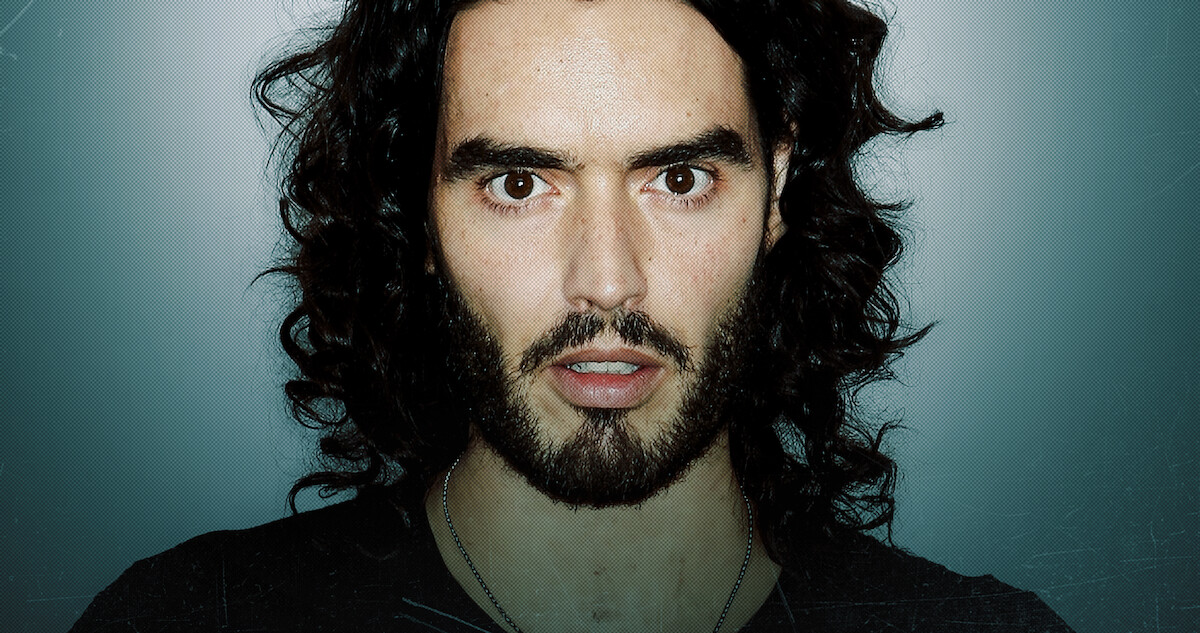
Netflix released Russell Brand: Open Secret on Friday (13), an 84-minute documentary that reconstructs the British comedian's career and the way sexual violence allegations against him came to light. Directed by Britain's Olivia Isaacs and produced by 72 Films, the company behind Jimmy Savile: A British Horror Story, the film arrived on the global service four days after Brand was sentenced to 10 years and six months in prison for rape and three sexual assaults.
Netflix announced the release on 12 November, the day before it debuted, and it quickly became a talking point online. The question many people asked — “what is Open Secret?” — has a simple answer: it is not a stand-up special but a true-crime documentary about stardom, abuse and impunity.
What is “Russell Brand: Open Secret”?
The title describes the film's central argument: for years, Brand's behaviour was said to have been an open secret in the British entertainment industry, treated as a joke, an eccentricity of genius or a subject that could not be reported. The documentary tries to explain why the allegations took so long to find public and institutional traction.
It is a single feature documentary, 84 minutes long, made over about three years. Filming began in November 2023, two months after The Times investigation was published and Channel 4 aired Russell Brand: In Plain Sight. The team had to wait for the criminal case to conclude because of British legal restrictions on material that could prejudice a jury.
| Title | Russell Brand: Open Secret |
| Format | Feature documentary |
| Director | Olivia Isaacs |
| Production | 72 Films (Fremantle) |
| Running time | 1h24 |
| Rating | 15 in the UK; TV-MA in the US |
| Release | 13 November 2026 |
| Where to watch | Netflix, with dubbing and subtitles in multiple languages |
 ▶
Watch the official trailer for Russell Brand: Open Secret on YouTube. (Video: Courtesy of Netflix)
Who made the documentary
Olivia Isaacs directed the project. She had previously worked on true-crime documentaries including The Other Mrs Jordan: Catching the Ultimate Swindler. The film is produced by 72 Films, the British company acquired by Fremantle, with Kate Yandle, Laura Spence and Felicity Cross producing and Clare Cameron, David Glover and Mark Raphael serving as executive producers. The company's credits include Jimmy Savile: A British Horror Story.
The film features people who knew Brand at different stages of his life. They include former housemate Mark Pinheiro, former girlfriend Amanda Alguero Alejos, former girlfriend Jordan Martin, former model Georgina Baillie, comedians Nish Kumar and Harriet Kemsley, actor Sarah Solemani, columnist George Monbiot and journalists Rosamund Urwin and Charlotte Wace. Victims who chose not to be identified appear with identity protection.
“We wanted to look at it more widely, broadly, to try and get an understanding of Russell Brand, who he is, the worlds that he occupied and lived in. And to understand why the allegations didn't come to light sooner and just what it took to get to the point, decades after the rumors started.”
Why Netflix released it now
The decision to release the documentary on 13 November has both a legal and a commercial explanation. The film had been ready for months but could not be shown during the trial. Brand faced seven charges in a London court, and British law restricts reporting on live proceedings to avoid influencing a jury. The director said the film was “99.9% ready” before the verdict, with only the end cards updated after sentencing.
Commercially, Netflix capitalised on the surge of public attention. Brand was convicted on 5 November and sentenced on 9 November. The documentary was announced on 12 November and released the next day. The speed drew criticism online, with users accusing the platform of “profiting from abuse”. IndieWire called the strategy “ambulance-chasing” and argued that the film offers little new information about the trial.
Netflix did not respond publicly to that criticism. The platform did, however, keep Brand's 2018 comedy special Russell Brand: Re:Birth on the service while hiding it from recommendations and search. In a statement reported by Euronews, the company said it prioritises “choice and control for our members: the freedom to watch what, how and when you want”.
The director defended the project in an interview with Variety. She said it was not made to cash in on the conviction: “We began filming before the police had brought any charges, and from the start we were acutely aware that we couldn't transmit anything before the trial concluded or do anything that might prejudice it.” Isaacs added that the survivors interviewed were not part of the trial and that the film was conceived as journalism.
What the documentary shows
The through line is Brand's trajectory: the boy from Essex who became an MTV presenter, a comedy star, a Hollywood actor and, later, a political influencer and YouTuber. The film draws on extensive archive footage — including early routines in which he joked about sexual behaviour — to show how humour and fame worked as a shield. Nish Kumar says people were afraid to speak because they were threatened with legal action.
Mark Pinheiro recounts that Brand was fired from MTV after dressing as Osama bin Laden the day after the 11 September attacks. Amanda Alguero Alejos describes the relationship and his drug use, including cocaine and heroin. Georgina Baillie recalls “Sachsgate”, when Brand and Jonathan Ross left obscene messages on the phone of actor Andrew Sachs, her grandfather, in 2008. The episode led to Brand's departure from BBC Radio 2.
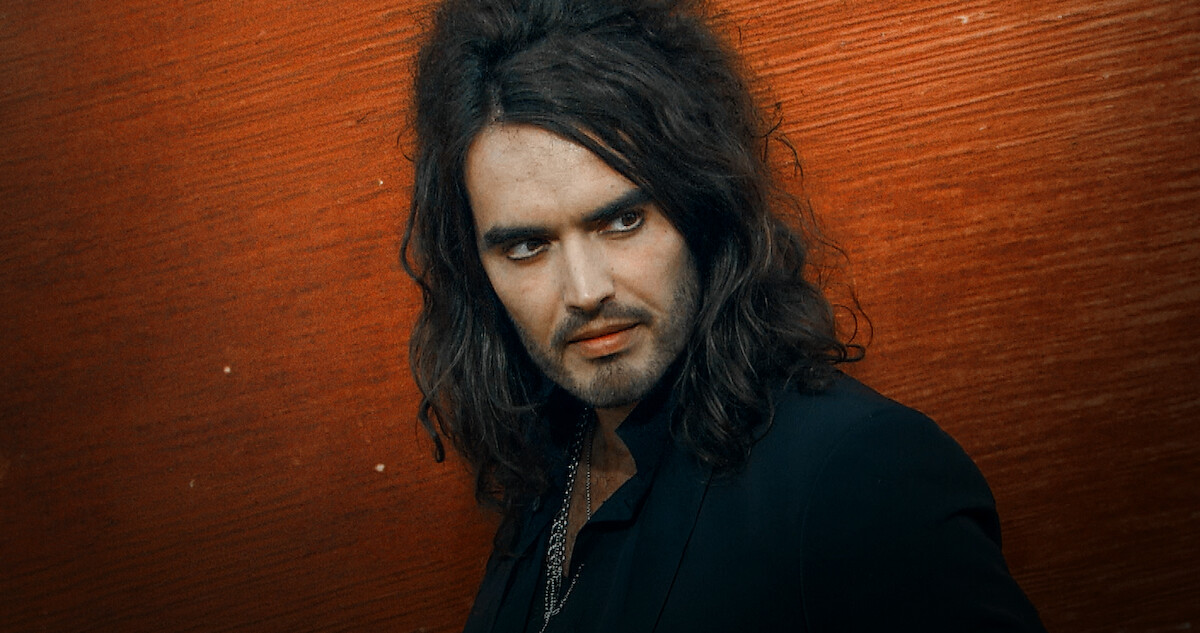
Jordan Martin, who dated Brand while he was filming Forgetting Sarah Marshall, describes a relationship marked by coercive control and allegations of sexual assault. One interviewee, identified as “Emily” and portrayed by an actress, says Brand raped her after she asked him to use a condom. The allegations presented in the film predate the case that ended in his conviction and were not all brought to trial.
The documentary also follows the work of Rosamund Urwin and Charlotte Wace of The Times and The Sunday Times. Urwin began investigating Brand in 2019 after hearing comedians joke about his behaviour. The journalists explain how they gathered testimony, dealt with fears of litigation and offered Brand a right of reply. According to the film, his lawyers responded that there was a “deeply concerning agenda” against their client.
Brand has always denied the allegations and said his relationships were consensual. The film says his legal team was approached again after the conviction and declined to comment. The verdict and sentence appear in the end cards, with a note that the stories told in the film predate the crimes for which he was convicted.
The case that ended in prison
On 5 November 2026, a London jury found Brand guilty of one count of rape and three counts of sexual assault. He was acquitted of two other rape charges and one count of attempted indecent assault. The offences took place between 2004 and 2009 and involved four women, who are entitled to lifetime anonymity. Sentencing followed on 9 November: nine years for rape plus 18 months, nine months and eight months for the assaults, totalling 10 years and six months.
Judge Joel Bennathan called Brand a “sexual predator” and spoke of his “casual arrogant disregard to any woman's right to say no to you”. According to the BBC, the judge also criticised his “staggering arrogance”. Brand, 51, was sent to HMP Wandsworth in London and will be on the sex offenders' register for life, according to the Metropolitan Police.
“A casual arrogant disregard to any woman's right to say no to you.”
How to watch and what to expect
Russell Brand: Open Secret is streaming globally on Netflix. In Brazil, the title is available with Portuguese dubbing and subtitles in Portuguese, English, Spanish and other languages. It is rated 15 in the UK and TV-MA in the US; the Brazilian age rating appears on the title page.
For anyone who saw the promotion online, it helps to know what the documentary is not: it is not a defence of Brand, not a parallel trial and not a complete account of the case. It is an audiovisual report on how a star managed to operate for years in an industry that preferred not to see. Those looking for the legal details should also read the BBC coverage. On Revista Pixel, the film and pop culture sections feature other productions about cases that shaped the entertainment industry.
Why the story matters
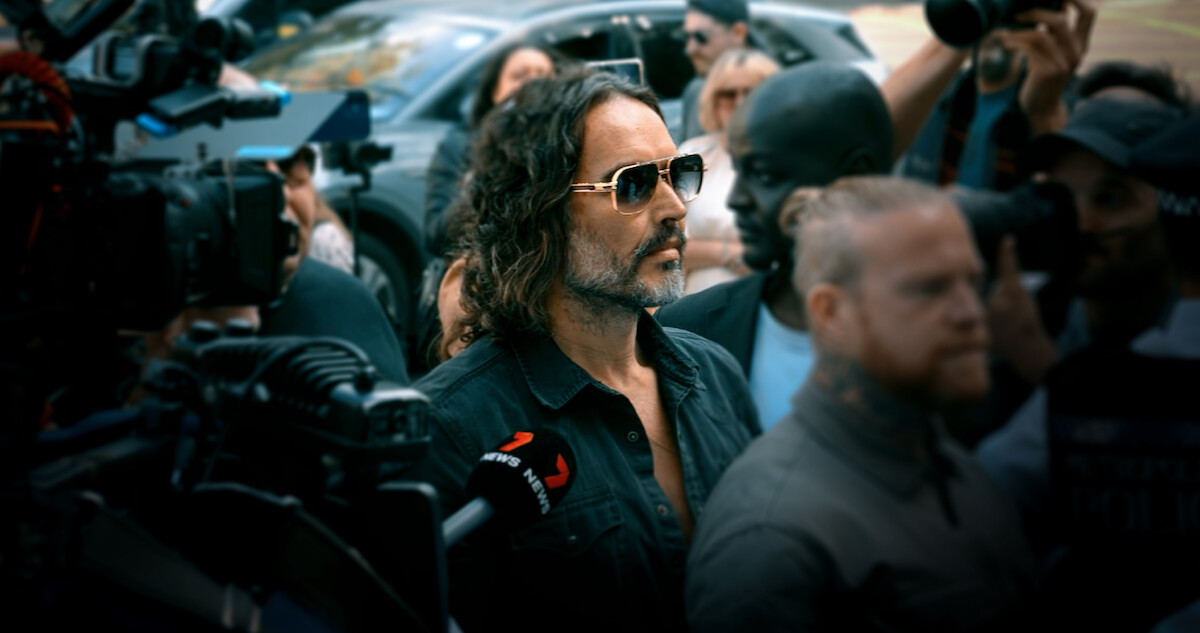
The case fits into a wider debate about fame, abuse and the responsibilities of cultural industries. The documentary shows that the allegations did not come from nowhere in 2023: there had been reports, jokes and public signs since the 2000s. The central question is not only “why did he do it?” but “why did so many people around him take so long to believe the victims?”.
The film also arrives at a moment of reckoning for streaming platforms. Netflix has turned criminal cases into true-crime franchises and now has to answer accusations that it exploits victims' pain. The documentary tries to balance this by giving space to journalists and survivors, but the debate over timing and profit will not end with its release. For pop culture audiences, it helps explain Brand's mutation from a comedian who mocked his own excesses into an influencer who embraced conspiracy theories.
Support: in the UK, Rape Crisis England & Wales offers support on 0808 500 2222. In Brazil, the Women's Helpline is available on 180, and the CVV emotional support service on 188.
With information from Netflix Tudum, BBC, Variety, the Met Police, IndieWire and Euronews.
Suggested and related articles
Netflix Buys Joel Coen's 'Jack of Spades' for Fall 2027
Project Power: the pill that grants five minutes of power

Heart of the Beast arrives on digital to buy or rent
Hugh Jackman The Death of Robin Hood Hits No. 1 on HBO Max
Hokum: 2026 Psychological Horror Dominates Streaming