Taz F. Stark: From Laylow to His Cambodia Film
Published on · Updated on
The former owner of London's Laylow club, Taz F. Stark makes his directing debut with “Child of the Rouge”, a Cambodian genocide short now on Mubi.
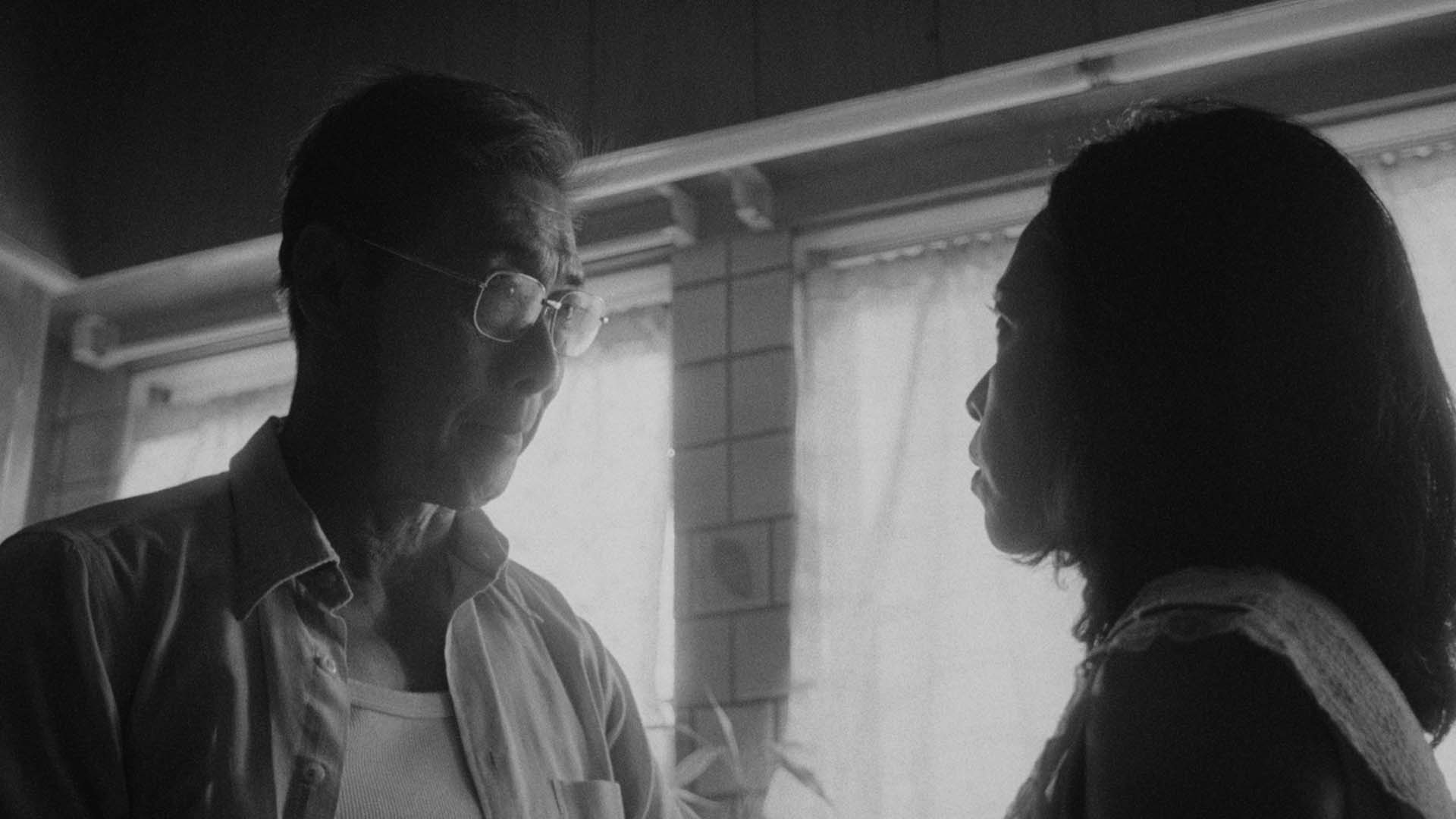
Taz F. Stark, 41, became known in London as the nightlife entrepreneur behind Laylow, the Notting Hill club frequented by Rihanna, Mick Jagger, Kate Moss and Robert Downey Jr. This season, he trades dance floors for cinema: his 14-minute directorial debut, Child of the Rouge, arrives on Mubi on Dec. 7 after premiering at the Tribeca Festival in New York and screening at LEFFEST in Lisbon. The film recreates a childbirth in an abandoned Phnom Penh hospital on April 17, 1975, the day the Khmer Rouge seized Cambodia's capital.
His trajectory helps explain the attention surrounding the project even before its release. Rather than a wide-ranging historical documentary, Stark chose an intimate 14-minute story about a birth amid the collapse of a society. The approach drew introductions from figures such as Al Pacino and Rufus Sewell, a London screening hosted by Bill Nighy and a quiet campaign that turned the short into a recurring topic among cinephiles in recent weeks.
From Notting Hill to the Hollywood Hills
Born in Britain, Stark built the first part of his career far from a film set. In 2017, he opened Laylow on Golborne Road, in the heart of Notting Hill, in a Victorian building that had previously been a pub. The venue combined a restaurant, a live music room and a members' club, with interiors designed by fashion designer Bella Freud, and quickly became one of the most sought-after addresses in the British capital.
David Beckham, Madonna, Stormzy, Idris Elba and the Clooneys were among those who passed through Laylow's rooms, according to the British press. The club closed at its Notting Hill address in December 2023 before announcing a move to London's West End. For Stark, running a nightspot was not a detour but training for directing.
“Directing and the hospitality business aren't all that different. In both, you're managing crazy people. But it has a similar magic. You gather a team of creatives, and they all get together and make something.”
Today, he lives with his girlfriend, actress Stacy Martin, in Madonna's old mansion in the hills above the Hollywood sign — a detail that gave The Hollywood Reporter profile the headline that drew attention online: “He Lives in Madonna's Old Mansion. Now He's Made a Movie About Cambodian Genocide.”
A story heard in Cambodia
Stark's connection to the subject did not begin in a writers' room. In his 20s, he lived in Cambodia and worked as an English teacher. During that period, he heard accounts of what happened in the country under the Khmer Rouge, including stories of births in extreme conditions during the evacuation of Phnom Penh.
He wrote the screenplay for Child of the Rouge on a single flight between London and Los Angeles, he told THR. The plot follows a couple who must deliver a baby in an abandoned hospital as the city is overrun. Stark wrote the script with actress Pisay Pao, who also appears in the film.
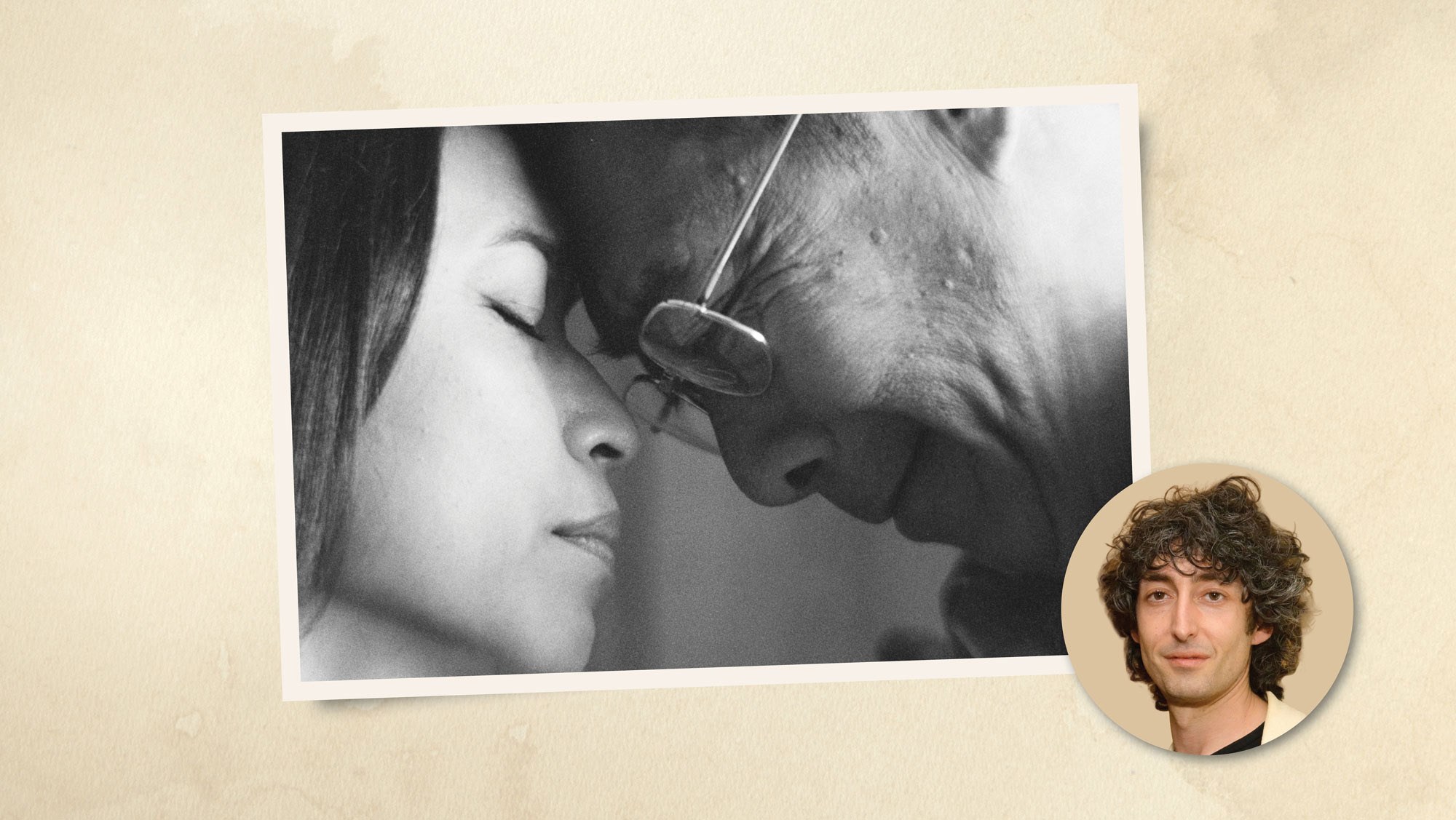
The production was assembled in an almost handmade fashion. Stark met producer Joe Russell at a coffee shop, when the two men's dogs started playing together. “It was canine intervention,” he joked in the interview. The team shot in a warehouse in Los Feliz, California, transformed into a Cambodian hospital. The main cast brings together François Chau, remembered as Jin-Soo Kwon's father in Lost, and Pisay Pao, of Z Nation.
What happened on April 17, 1975
On the morning of April 17, 1975, Khmer Rouge forces entered Phnom Penh and ended a civil war that had lasted for years. The regime led by Pol Pot ordered the immediate evacuation of the capital and other cities, pushing millions of people into the countryside. Families were separated, schools and hospitals closed, and money was abolished. The project of an “agrarian utopia” was imposed through forced labor, surveillance and executions.
Between 1975 and 1979, nearly two million people died in Cambodia — about one third of the country's population, according to the United States Holocaust Memorial Museum. Victims died in summary executions, torture, hunger and disease. The period gave the world the term “killing fields” and ended only with the Vietnamese invasion in January 1979.
Justice arrived decades later. The UN-backed tribunal known as the Extraordinary Chambers in the Courts of Cambodia (ECCC) convicted three defendants and handed down long sentences, including Nuon Chea and Khieu Samphan, found guilty of genocide in 2018. The slow pace of the proceedings and the small number of convictions remain a source of criticism among historians and survivors.
| Indicator | Figure |
|---|---|
| Regime begins | April 17, 1975 |
| Regime ends | January 7, 1979 |
| Estimated deaths | nearly 2 million (about one third of the population) |
| Leader | Pol Pot |
Stark's short plants its narrative in that setting. Instead of recreating battles or political debates, the director follows a childbirth — an act of life in an environment designed to erase any trace of the past. The choice brings the viewer close to the human drama without turning tragedy into spectacle.
A cast and crew with weight
The credits behind Child of the Rouge explain part of the buzz. Brady Corbet, the Oscar-winning director of The Brutalist, serves as an executive producer. Dhani Harrison, George Harrison's son, is part of the composing team alongside Paul Hicks and Sean Benitez. The editing is by Olivia Neergaard-Holm, editor of The Apprentice, and the cinematography is by Jalaludin Trautmann.
“My gaffer did The Big Lebowski,” Stark said, adding another reference. “My AD was straight off CSI.” The humorous tone coexists with the seriousness of the subject, a combination the director seems to have cultivated since his Laylow days.
“The biggest difference between directing and hospitality is that with restaurants, all your staff want to be doing something else. They all want to be writing and directing and acting. When you're on a film set, everybody's just grateful for the job they have.”
The main cast also carries experience in genre productions. François Chau, who plays Chan, appeared in Lost and Watchmen; Pisay Pao, as Sokha, became known on Z Nation. Jasmine Sim, D.Y. Sao and Tyler Yath complete the ensemble. The production companies are Stark Motion and Joe Russell Productions.
From Tribeca to Mubi
Child of the Rouge had its world premiere in the shorts selection of the 2026 Tribeca Festival in New York. The film is spoken in English and Khmer, with English subtitles, and runs 14 minutes. After Tribeca, it screened at LEFFEST in Lisbon and at festivals including St. Louis and Coronado, California.
Private screenings helped broaden its reach. On Sept. 25, Al Pacino introduced the short at a screening in Los Angeles. On Oct. 20, Jane Rosenthal hosted the film at the Tribeca Screening Room in New York. On Nov. 12, Rufus Sewell introduced a screening followed by a Q&A with British Consul Paul Rennie. A London screening on Nov. 25 at Working Title has Bill Nighy as host.
| Director | Taz F. Stark |
| Screenplay | Taz F. Stark and Pisay Pao |
| Cast | François Chau, Pisay Pao, Jasmine Sim, D.Y. Sao and Tyler Yath |
| Producer | Joe Russell (Stark Motion and Joe Russell Productions) |
| Executive producers | Brady Corbet, Pisay Pao, François Chau, Stacy Martin, Sal Lahoud, Mehrdad Sarlak, Noor Alfallah and Remi Alfallah |
| Runtime | 14 minutes |
| Languages | English and Khmer |
| Streaming premiere | Dec. 7, on Mubi |
Why a 14-minute short became a talking point
Interest in the film combines three factors. The first is the director's biography: his years in London nightlife offer a reinvention narrative that the entertainment press embraced. The second is the subject: the Cambodian genocide remains rarely portrayed in fiction films, despite its scale. The third is the network of supporters, which includes an Oscar winner, a Beatle's son and actors with long Hollywood careers.
For international viewers, the film also works as an entry point to a current discussion. Cambodia still lives with the consequences of the period: tribunals, memorials and survivor communities try to preserve memory while a generation of witnesses grows older. Productions such as Stark's help keep the subject visible, even when they choose fiction over documentary.
Stark, for his part, avoids treating the short as a mere stepping stone. He describes directing as a natural extension of hosting people and creating environments. The difference, he says, lies in the relationship with the team. “With restaurants, all your staff want to be doing something else,” he said. On set, he found a group that wanted to be exactly there.
Child of the Rouge arrives on Mubi on Dec. 7. The short runs 14 minutes and is spoken in English and Khmer. For those following awards season, the name Taz F. Stark is now circulating in a different circuit from the Notting Hill clubs — and Madonna's old mansion now shares space with a story about a child born amid genocide.
Suggested and related articles
Avedon: is Ron Howard's documentary worth watching?
The Mongoose: Liam Neeson Tops Prime Video Worldwide

Who Is Jasmine Hottle, Kaylee Hottle's Older Sister?

Where 'My Best Friend' Was Filmed in Portugal
Patrick Stewart, Star Trek and X-Men Legend, Dies at 86