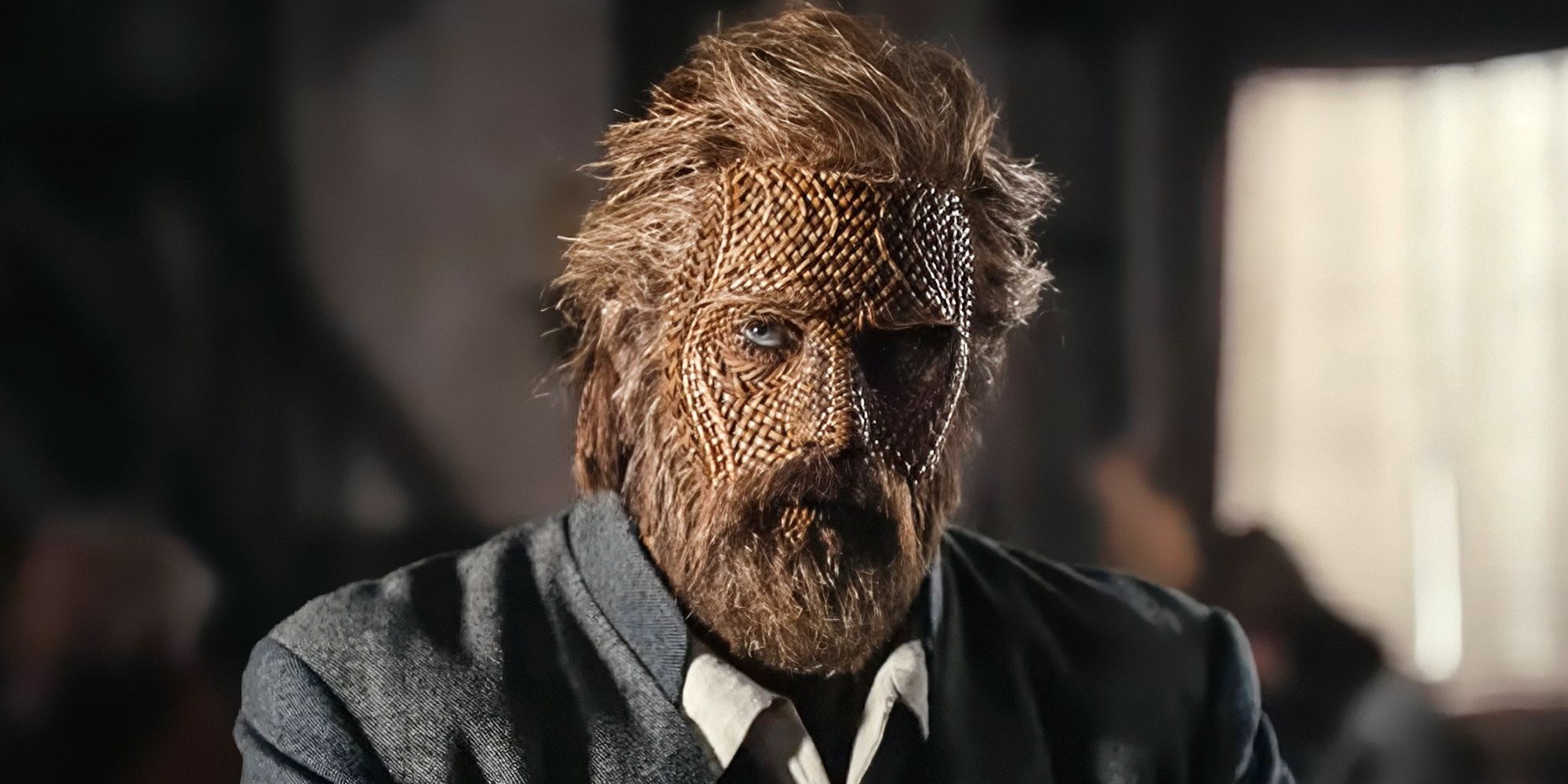
Return of the King: Aragorn's Best Quote in Movie History
Published on · Updated on
In Return of the King, Aragorn shatters Middle-earth hierarchy by bowing to four hobbits, turning seven words into cinema's ultimate tribute to quiet bravery.
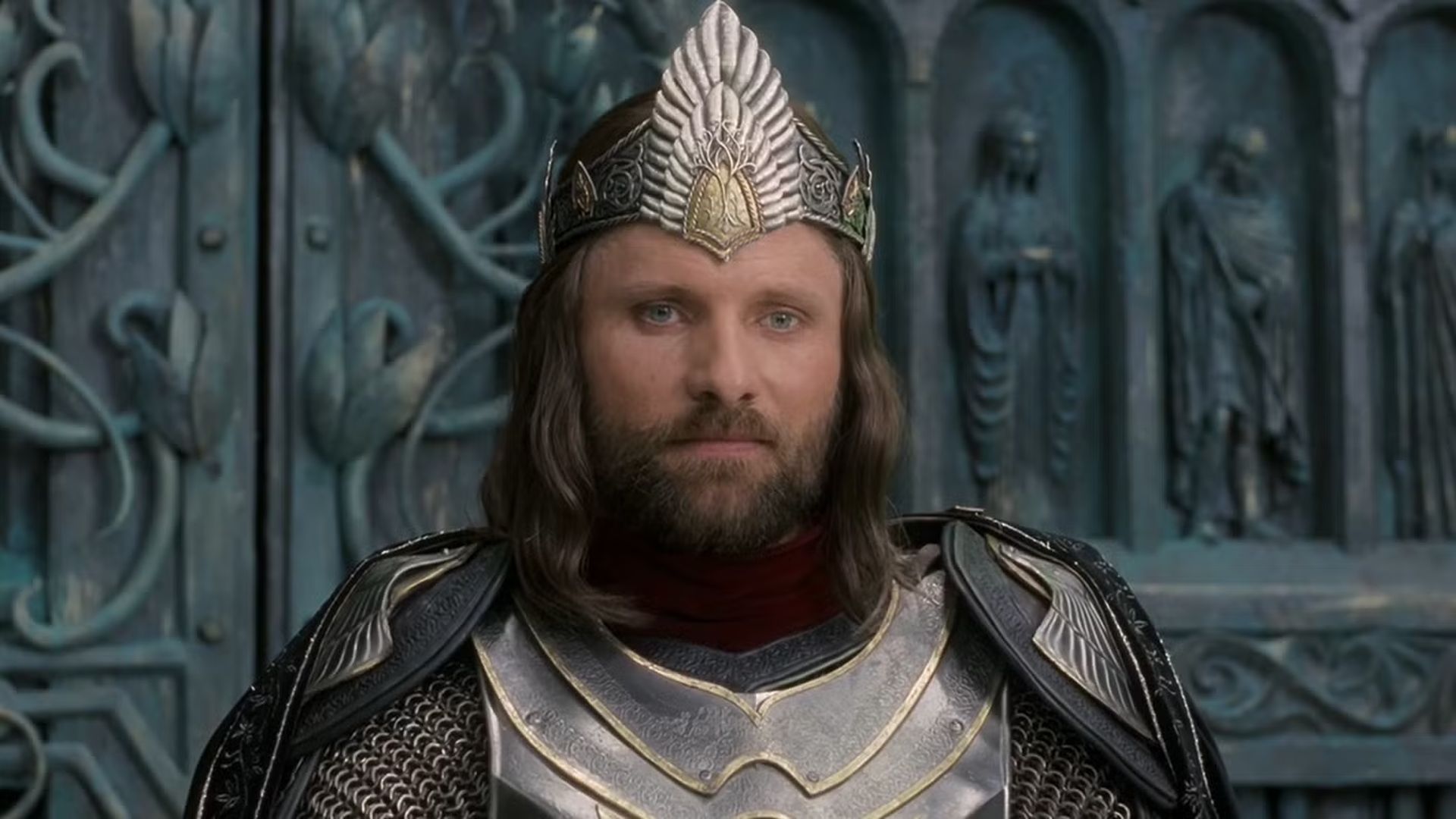
More than two decades after the monumental triumph of Peter Jackson's sweeping cinematic trilogy, few sequences in the history of cinema evoke such profound collective catharsis as the closing minutes of The Lord of the Rings: The Return of the King (2003). Following the harrowing destruction of the One Ring within the fires of Mount Doom and the final downfall of Sauron, the saga's ultimate emotional summit is not sealed by the clash of steel or the architectural splendor of Minas Tirith. Instead, it reaches its pinnacle through an act of supreme humility: seven spoken words from Aragorn that permanently redefined heroic leadership in modern epic storytelling.
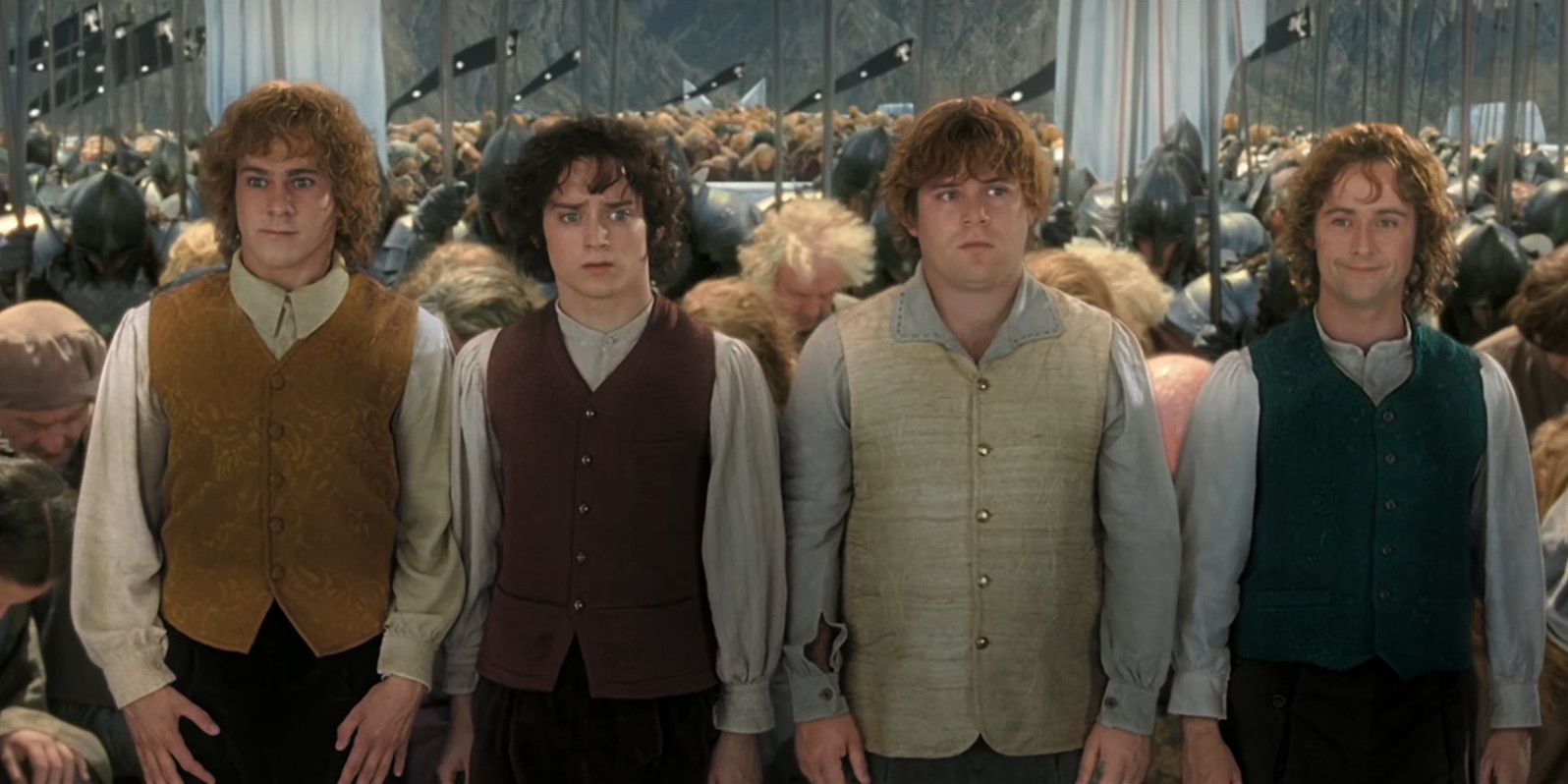
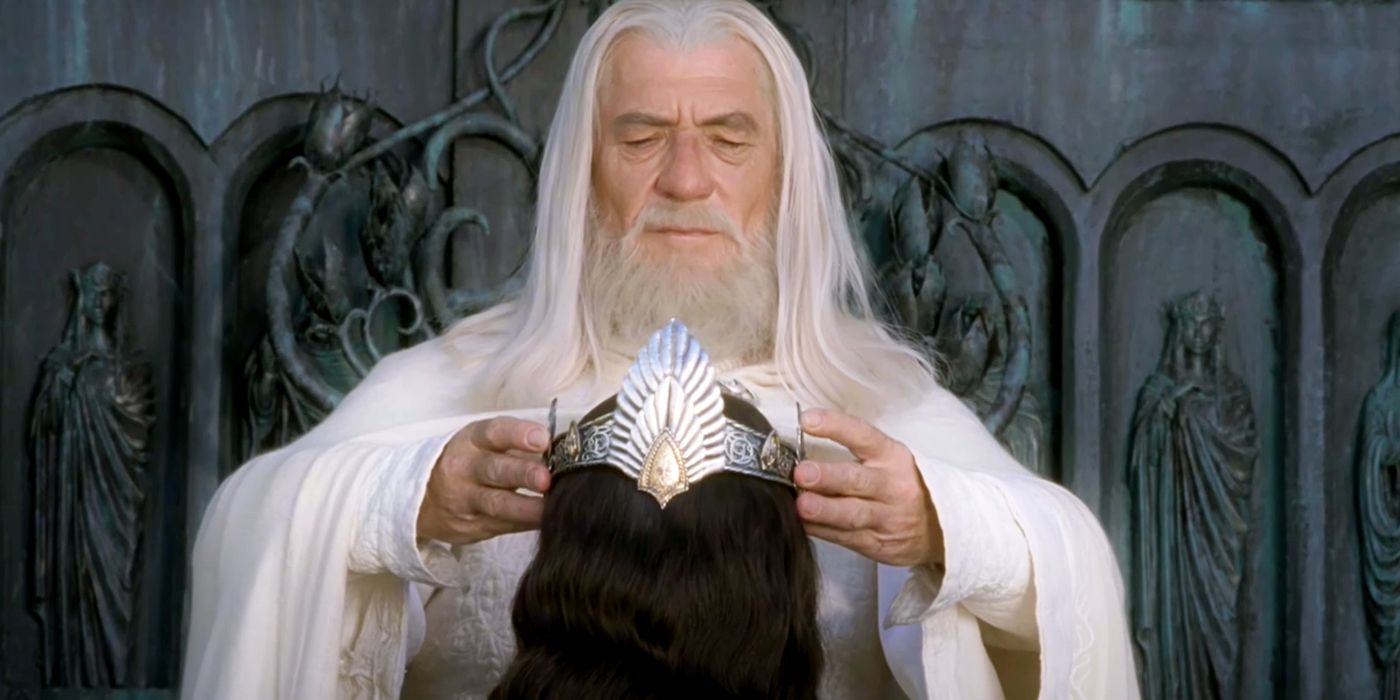
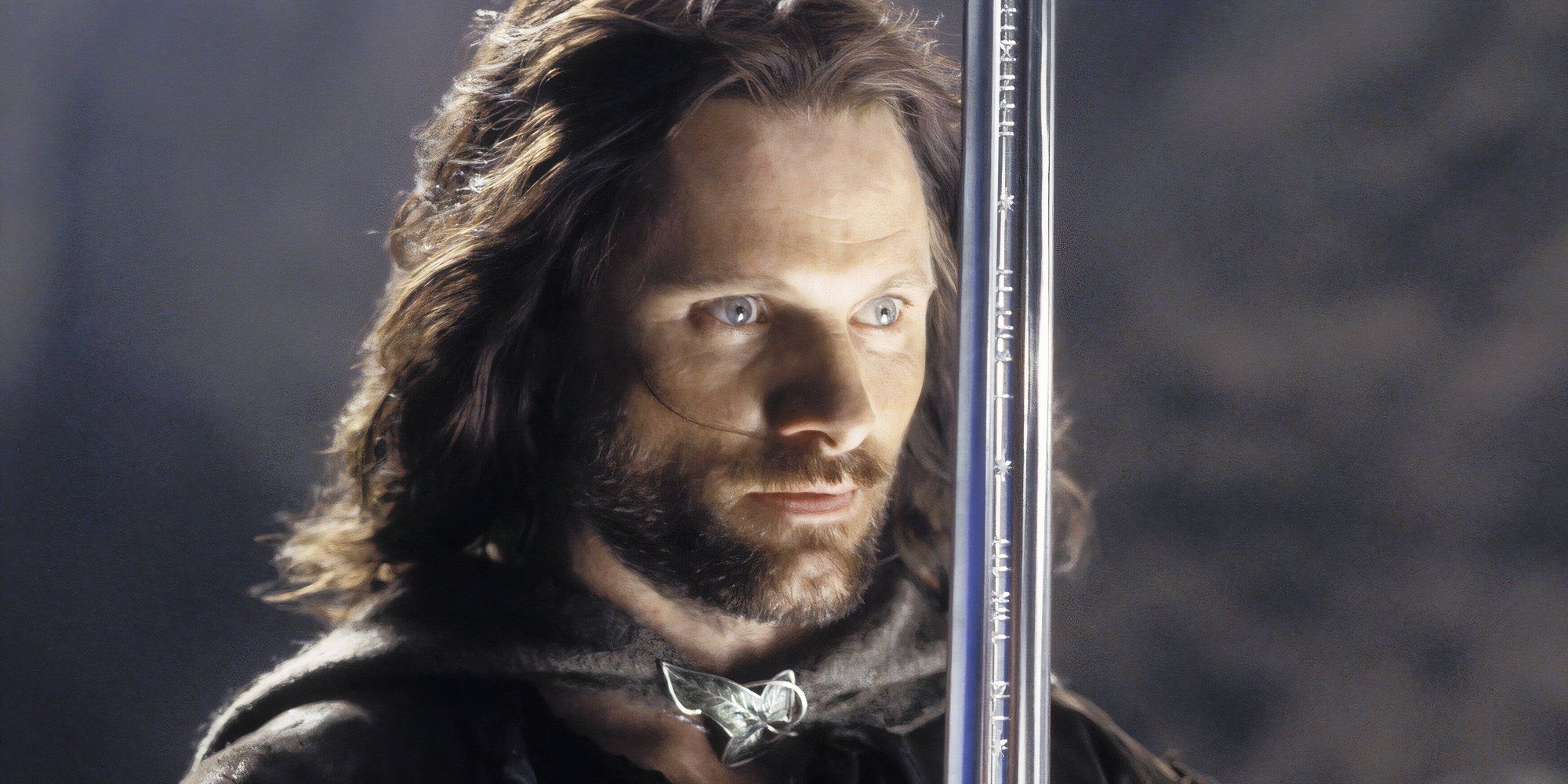
Upon receiving the winged crown of Gondor from Gandalf the White, the wandering Ranger Strider leaves behind his solitary vigil to embrace his rightful destiny as King Elessar. Joyously acclaimed by the assembled free peoples of Middle-earth, he walks with graceful solemnity past elven lords, towering warriors, and court dignitaries until he notices the four hobbits who began this perilous journey in the pastoral peace of the Shire. When Frodo Baggins, Samwise Gamgee, Meriadoc Brandybuck, and Peregrin Took begin a formal courtly bow, Aragorn gently stops the ritual with a deeply moving declaration: "My friends, you bow to no one." With those words, the monarch himself drops to his knees, inspiring an entire nation to kneel in reverent awe before four barefoot halflings.
Subverting Feudal Hierarchy and the Essence of Authority
Throughout classic swashbucklers and medieval romantic literature, the coronation of a sovereign is traditionally staged as an imposing spectacle of feudal subordination, where loyal subjects kneel to validate royal dominance. Yet director Peter Jackson and screenwriters Fran Walsh and Philippa Boyens captured with exquisite clarity the core humanist ethos underpinning J.R.R. Tolkien's masterpiece. By bowing before the hobbits, Aragorn dismantles the feudal pyramid of heroic myth, asserting an indisputable moral reality: the throne endures solely because those devoid of personal ambition for power endured the most devastating agony imaginable.
The scene's brilliance emerges from the stark contrast between physical stature and moral magnitude. Over nearly ten hours of screen time across the trilogy, audiences marveled at mighty knights in polished plate, ancient wizards channeling the blinding light of Valinor, and valiant kings like Théoden leading thunderous cavalry charges on the Pelennor Fields. Yet none of those martial marvels could breach the suffocating perimeter of Mordor. The salvation of Middle-earth demanded virtues no blacksmith could forge: the quiet resilience, innocent decency, and unwavering loyalty of the smallest beings on Arda.
"Aragorn's tribute does not merely celebrate victory over darkness; it enshrines the dignity of everyday souls whose quiet sacrifices are routinely forgotten by history's triumphal feasts."
Echoes of the Great War and Tolkien's Common Soldiers
Grasping the full emotional weight of this climax requires understanding J.R.R. Tolkien's personal history. In 1916, Tolkien served as a second lieutenant and signals officer in the Lancashire Fusiliers during the Battle of the Somme, witnessing firsthand the industrialized horrors of World War I trench warfare. Amid relentless artillery barrages and knee-deep mud, Tolkien forged an abiding respect for common infantrymen—unassuming working-class boys who endured unspeakable trauma with uncomplaining loyalty, humor, and quiet bravery.
In his private correspondence, Tolkien explicitly confirmed that characters such as Samwise Gamgee were direct reflections of those unsung British foot soldiers (the officers' "batmen"). While generals and war planners drafted theoretical maneuvers far behind friendly lines, the ordinary soldier paid the brutal butcher's bill in No Man's Land. In The Return of the King, Aragorn's bow mirrors the unpayable moral debt that authentic leaders owe to those who silently bore the agony of the front line.
The table below summarizes how each hobbit's journey shaped the emotional weight of Aragorn's tribute:
| Character | Vital Contribution | Sacrifice Honored by Aragorn |
|---|---|---|
| Frodo Baggins | Bearing the One Ring across Middle-earth into Mount Doom | Enduring spiritual corrosion and psychological scars that would never heal in the mortal world. |
| Samwise Gamgee | Unwavering companion and moral bedrock of the Ring-bearer | Carrying Frodo up the volcanic slopes of Mount Doom when physical strength and hope had vanished. |
| Merry Brandybuck | Rohan soldier allied with Lady Éowyn | Striking the Witch-king of Angmar with a Westernesse blade to break the dread wraith's invulnerability. |
| Peregrin Took | Guard of the Citadel in Minas Tirith | Saving Faramir from Denethor's madness and lighting the warning beacon atop Amon Dîn. |
Viggo Mortensen and the Benchmark of Selfless Leadership
Viggo Mortensen's understated, soul-stirring performance is pivotal to the scene's authenticity. Across three films, Aragorn never covets royal power for ego, privilege, or domination. Having spent decades in voluntary exile haunted by Isildur's fatal temptation, Aragorn treated power with profound trepidation. Far from being a flaw, this moral reluctance formed his ultimate armor against tyranny: it made him completely immune to royal arrogance.
When he approaches the hobbits, his demeanor carries no royal patronization. His affectionate address ("My friends") instantly rekindles the bonds forged during freezing nights in Bree, ambushes at Weathertop, and treacherous marches through wilderness. By humbling himself before his assembled people, Mortensen's Aragorn illustrates that legitimate sovereign authority is cultivated not through intimidation, but through genuine gratitude for those who paved the path to freedom.
Cinematographic Craft and Howard Shore's Symphonic Catharsis
From a filmmaking perspective, the coronation scene represents masterclass orchestration. Peter Jackson opens with intimate medium shots capturing the hobbits' sheepish modesty as the newly crowned monarch approaches. Then comes a breathtaking crane shot pulling back smoothly into a wide canvas: the entire courtyard of Minas Tirith emulates their King, sinking into deep reverence before the diminutive champions.
Howard Shore's Oscar-winning musical score provides the emotional spine for this transition. Shore softly introduces the tender whistle and acoustic string motifs of the Shire theme (Concerning Hobbits), gently counterpointing them against the brass-heavy grandeur of Gondor's hymn. This symphonic alchemy conveys that while Minas Tirith stands as the geographic capital of victory, the true heart and soul of Middle-earth forever resides in the quiet fortitude of the Shire.
Relive the Historic Coronation Scene
The sublime combination of directing, writing, performance, and score makes this scene one of the towering highlights in modern motion picture history. Relive the iconic coronation sequence from the 11-time Academy Award-winning classic below:
Enduring Legacy in Contemporary Cinema
In an entertainment landscape increasingly saturated with cynical antiheroes and rushed CGI spectacles, Jackson's Tolkien adaptation stands as an enduring monument to genuine emotional sincerity. Critical retrospectives from outlets like CBR continually remind us that Aragorn's quote transcends standard franchise fan service, tapping into timeless truths regarding sacrifice, duty, and solidarity.
Whether exploring unique storytelling approaches in our Wicker review or tracking how ancient lore is expanded in Rings of Power, cinema proves that computer-generated armies fade from memory, but profound acts of humility remain immortal.
Continue exploring in-depth retrospective essays, industry analyses, and film reviews across our dedicated Films section and international pop culture coverage on Revista Pixel.
Suggested and related articles
Wicker Review: Olivia Colman in an Eccentric Fairy Tale
Chance the Rapper names his favorite film of 2026

Peter Berg says Call of Duty film will explore war's cost
Project Power: the pill that grants five minutes of power
PS3 classic PayDay is becoming a movie: Sonic producer takes on theatrical adaptation