Wicker Review: Olivia Colman in an Eccentric Fairy Tale
Published on · Updated on
Alex Huston Fischer and Eleanor Wilson turn Ursula Wills' tale into a pointed period satire anchored by heartfelt turns from Colman and Skarsgård.
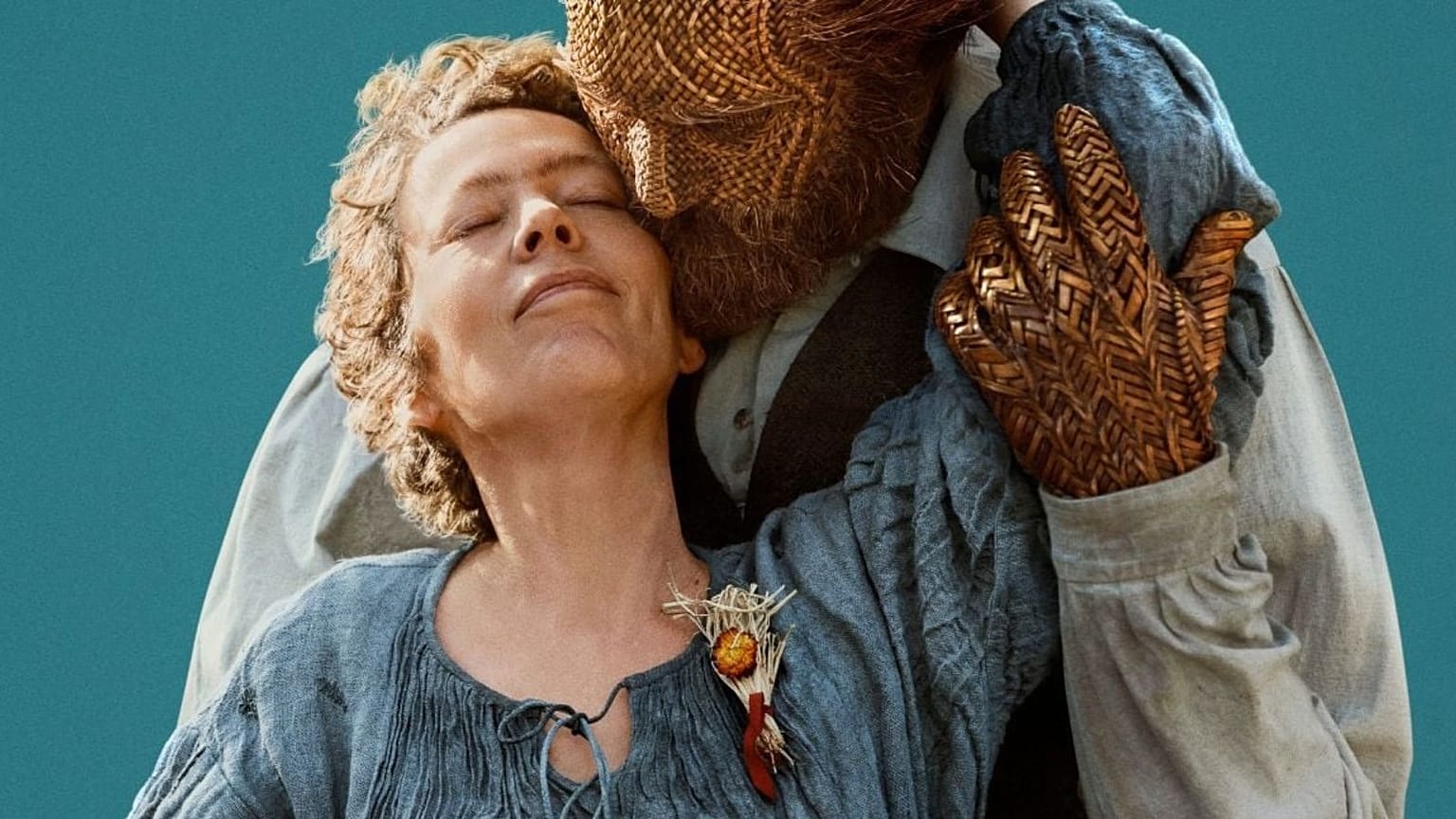
Period cinema often approaches matrimonial traditions and social isolation with either solemn decorum or rigid comedy of manners, yet Wicker takes an intentionally disorienting path by blending rural folklore, pointed social satire, and romantic fable. Written and directed by Alex Huston Fischer and Eleanor Wilson from Ursula Wills' acclaimed short story "The Wicker Husband", the feature opened theatrically across North America via Black Bear Pictures in late October 2026 following an acclaimed debut at the Sundance Film Festival. Selected as film of the week by Euronews Culture, the production deliberately steers clear of the bawdy farce teased by viral marketing to deliver a tender, bittersweet meditation on loneliness and the anxiety that insular communities harbor toward the unconventional.
At the center of the narrative is an unnamed fisherwoman portrayed with remarkable emotional vulnerability by Olivia Colman. Ostracized by an archaic coastal village where residents are identified solely by their trade or status, she endures relentless mockery for smelling of fish and refusing the local courtship rituals. Exhausted by the spiteful remarks of the Tailor's Wife, played with razor-sharp condescension by Elizabeth Debicki, the heroine retreats into the forest to visit a reclusive basketmaker portrayed by Peter Dinklage. Her commission is as bizarre as it is heartbreaking: a custom-built husband woven entirely from wicker.
Loneliness, village conventions and Ursula Wills' folk fable
The driving engine of Wicker lies not in the eccentricity of its central device, but in the palpable ache that fuels the protagonist's quest. In a village where marriage demands that a woman wear a heavy ceremonial collar around her neck as an emblem of ownership, she views local romance as an intolerable burden rather than a reward. The adaptation of Ursula Wills' story preserves this steadfast refusal to compromise personal dignity, framing loneliness as an act of quiet defiance before it leads to the craftsman's door.
“It is also lonely when you are among people.” — Antoine de Saint-Exupéry’s immortal line from The Little Prince captures the protagonist's profound estrangement within her own village.
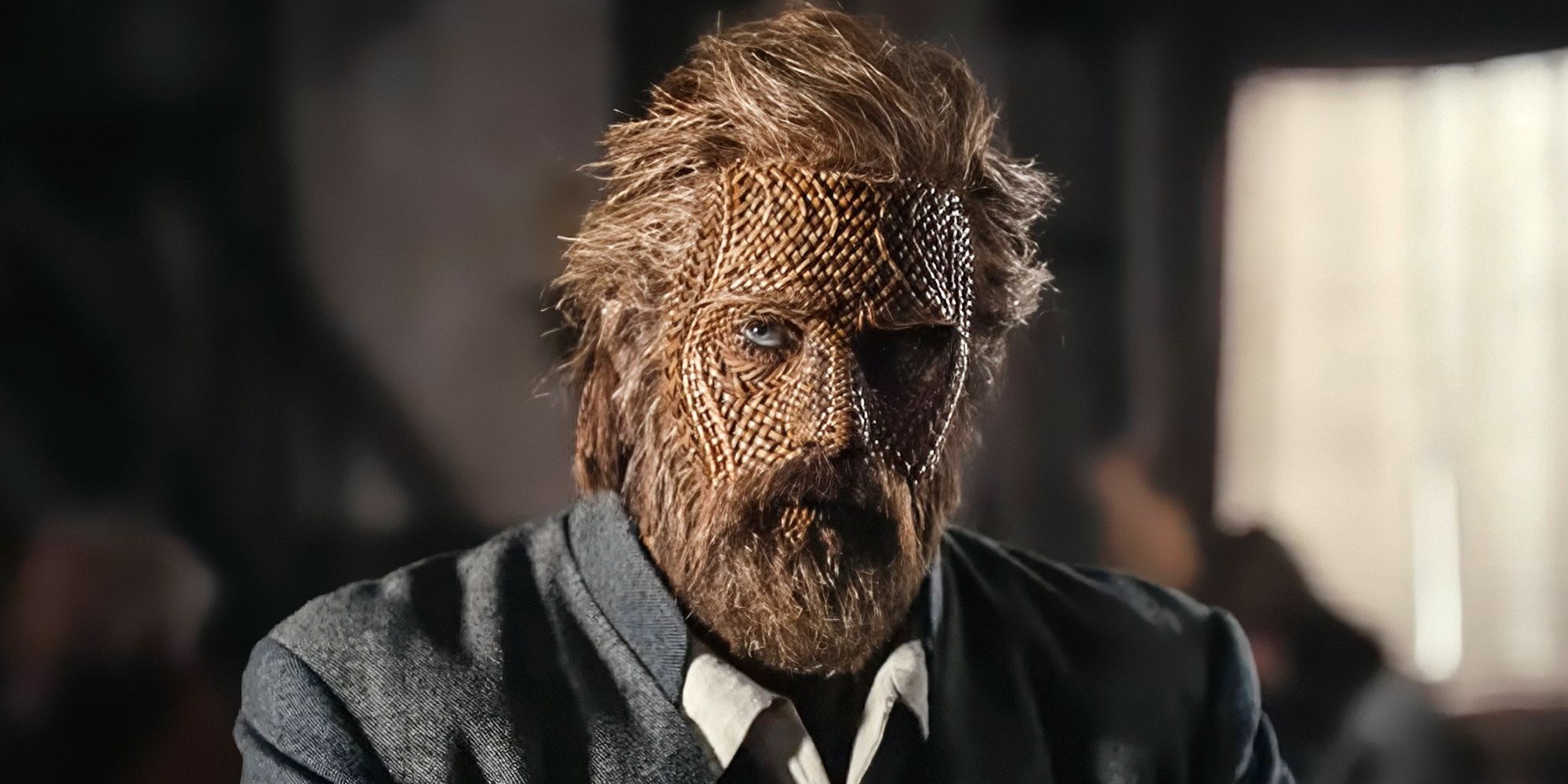
The delivery of the Wicker Husband, brought to life through intricate physical performance by Alexander Skarsgård, immediately destabilizes the village's moral pecking order. Far from being an inert prop or a cheap comedic gimmick, the woven companion emerges as a thoughtful, attentive, and deeply affectionate presence. This domestic harmony casts an unflattering light on the hollow marriages of the villagers, sparking quiet envy among neglected wives and deep insecurity among local husbands unable to match the gentle devotion of a man made of twigs.
An eccentric premise countering viral social media expectations
Throughout its theatrical marketing rollout, online commentary frequently reduced the movie's premise to provocative soundbites, dubbing it "Fifty Shades of Hay" or a "medieval Edward Scissorhands". However, audiences who step into the cinema discover a work rooted in poetic sincerity rather than titillation. While the humor can be delightfully sharp and occasionally ribald, Fischer and Wilson treat the couple's intimacy with genuine tenderness, sidestepping crude anatomical punchlines to highlight the emotional security born from their shared solitude.
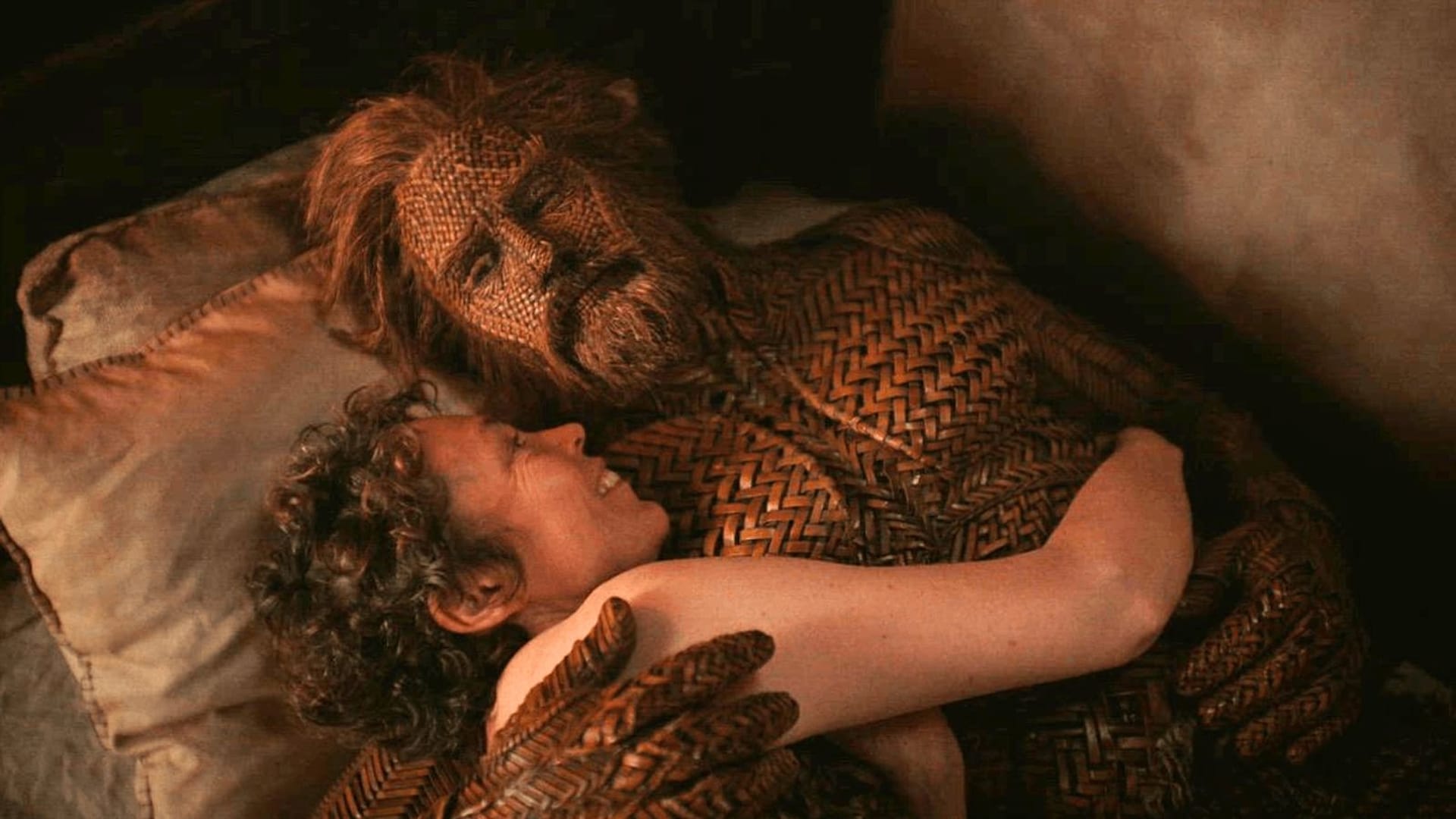
The screenplay directs its most biting satire toward mob mentality and the resentment that ordinary citizens feel when confronted by another person's unconditional happiness. As the fisherwoman's home life thrives, the village curdles into suspicion. Gossip in the chapel and whispers at the tavern expose the community's unwillingness to tolerate a woman who discovered self-worth without bending to the patriarchal codes enforced by village tradition.
Commanding performances from Olivia Colman and Alexander Skarsgård
The delicate equilibrium between eccentric fable and poignant drama rests almost entirely on Olivia Colman's shoulders. The Oscar-winning actress gives a masterclass in grounded humanity, refusing to reduce the fisherwoman to a quaint eccentric. Her performance radiates the physical exhaustion of manual labor and the lingering sting of ostracization, yet it softens into luminous joy when she experiences warmth and respect inside her weathered shoreline cottage.
Opposite her, Alexander Skarsgård delivers one of the most compelling physical characterizations of his career. Encased in elaborate prosthetics and natural basketry, the Swedish actor has virtually no conventional dialogue early on, relying on posture, gesture, and ocular nuance to convey warmth, curiosity, and protective care. He avoids playing the wicker man as a hollow automaton, infusing the creation with an innate soulfulness reminiscent of Pinocchio discovering what it means to possess agency and moral choice.
“The wicker creature is never merely furniture built for bedtime intimacy; beneath the woven branches lies a being that, much like Pinocchio, exercises conscious agency and a yearning for kinship.” — critical assessment from Euronews Culture.
The supporting ensemble enriches the narrative tapestry. Peter Dinklage brings weary gravity to the basketmaker, an artisan who understands natural materials and human frailty far better than the village clergy. Meanwhile, Elizabeth Debicki is villainously effective as the Tailor's Wife, channeling domestic dissatisfaction into an obsessive campaign to dismantle her neighbor's newfound bliss.
Tactile craft from Wētā Workshop and practical prosthetics
In a contemporary cinema landscape heavily dominated by CGI smoothing and digital shortcuts, Wicker stands out through its uncompromising commitment to physical production craft. The character design and prosthetics for the Wicker Husband were entrusted to the legendary New Zealand studio Wētā Workshop, renowned worldwide for their legendary fantasy craftsmanship.
Wētā designed a fully articulated practical suit woven with authentic wicker reeds layered over flexible substructures, enabling Skarsgård to move fluidly without compromising the illusion of woven timber. Every element, from the knotted joints to the weathering caused by sea salt and rain, creates an immediate sensory reality. Having a tangible presence on set profoundly grounds the interaction between the actors, giving Colman's emotional connection to her husband an undeniable weight.
A pointed moral fable on conformity and personal agency
As the story enters its climactic stretch, the lighthearted fable takes on the darker, cautionary cadence of a Brothers Grimm tale. The narrative unflinchingly illustrates how easily public panic can be stoked by vindictive leaders seeking to punish deviations from traditional social norms. The Tailor's Wife orchestrates a campaign to eradicate the basketmaker's creation, cloaking petty malice under pious rhetoric of village preservation.
It is in this final stretch that international critics note the film's central tension. While its opening acts revel in uninhibited whimsy, the resolution balances classical romantic conventions with realistic reflections on love and impermanence. Although certain viewers might crave a more unforgiving condemnation of the village's narrow-mindedness, the ending crafted by Fischer and Wilson honors the emotional journey of its heroine, leaving audiences with a mature portrait of individuality triumphant over societal intimidation.
Production credits and critical overview
Critical reception for Wicker has praised its tonal bravery and stellar acting, cementing the title as one of the most distinctive independent releases of the autumn season. The film represents an ambitious artistic statement for distributor Black Bear Pictures, which quickly expanded theater bookings following passionate initial audience feedback.
| Attribute | Production Detail |
|---|---|
| Original Title | Wicker |
| Directors and Screenwriters | Alex Huston Fischer and Eleanor Wilson |
| Source Material | Short story "The Wicker Husband" by Ursula Wills |
| Primary Cast | Olivia Colman, Alexander Skarsgård, Peter Dinklage, Elizabeth Debicki |
| Prosthetics and Practical Effects | Wētā Workshop |
| Theatrical Distributor | Black Bear Pictures |
| Genre Classification | Period fantasy, satirical comedy and romantic drama |
| Runtime | 112 minutes |
For cinephiles tracking daring independent filmmaking, Wicker demonstrates that practical craft and singular storytelling remain unmatched vehicles for exploring contemporary cultural themes. Explore our extensive film coverage on Revista Pixel for insightful reviews and features, and read about the broader commercial reach in our report on Wicker's expansion to 2,300 theaters across the United States and Canada.
Suggested and related articles
Return of the King: Aragorn's Best Quote in Movie History

Chance the Rapper names his favorite film of 2026

Peter Berg says Call of Duty film will explore war's cost

Project Power: the pill that grants five minutes of power
PS3 classic PayDay is becoming a movie: Sonic producer takes on theatrical adaptation