Netflix's 'The Fall of El Mayo' Is a Global Streaming Hit
Published on · Updated on
Netflix's three-part documentary on Sinaloa Cartel co-founder Ismael 'El Mayo' Zambada debuted Oct. 29 and is already a top-five global streaming hit.
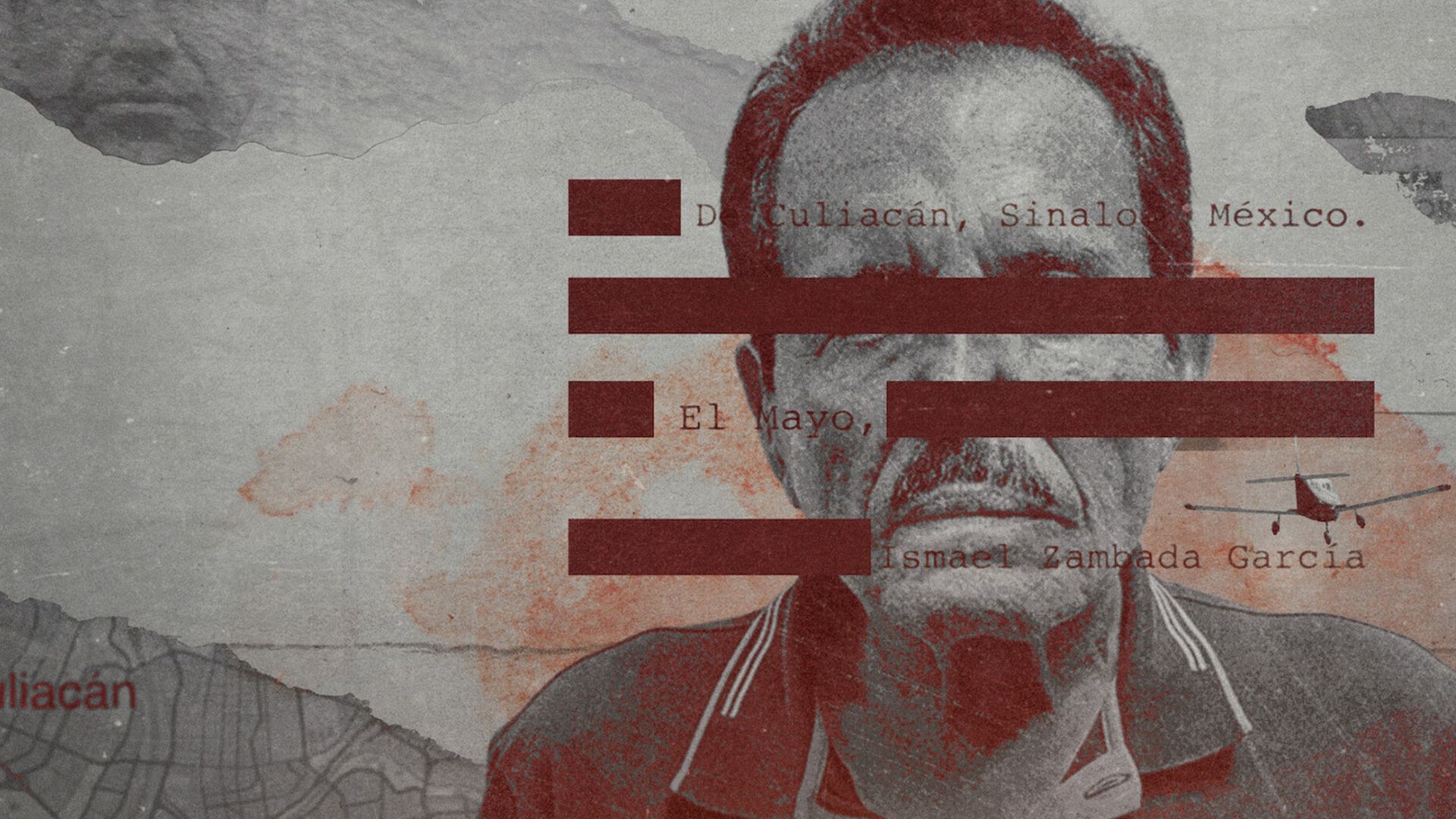
Netflix released “The Fall of El Mayo” on Oct. 29, a three-part documentary series that reconstructs the rise, capture and sentencing of Ismael “El Mayo” Zambada García, co-founder of the Sinaloa Cartel and one of the world’s most wanted men for more than three decades. Directed by Darren Foster and Miguel Fernández Flores, the production blends exclusive testimony from both sides of the border, previously unseen archival footage and an examination of hundreds of court records from Mexico and the United States. Within 72 hours of its debut, it had climbed to No. 1 among series on the platform in the United States and into the global top five, according to FlixPatrol’s daily charts.
The result places the documentary alongside recent breakout hits and revives interest in a story built on betrayal, abduction and covert operations. It also explains why Netflix keeps investing in organized-crime nonfiction from Latin America: audiences want to understand how a man who barely appeared in photographs managed to run one of the largest trafficking networks on the planet for half a century.
Three episodes, blockbuster numbers
“The Fall of El Mayo” is compact by design: three episodes of roughly 59 minutes each, all released at once on Oct. 29. The original Spanish title is “La Caída de El Mayo.” It carries a TV-MA rating, aimed at adult audiences, and mixes interviews, reconstructions and archival material, including recordings and documents that Netflix says had never been shown publicly.
The speed of the reaction stood out. One day after launch, the documentary was the most-watched series on Netflix in the United States and the third most-watched title worldwide, according to FlixPatrol. At that point it also topped the charts in Mexico, Bolivia, Chile, Costa Rica, Ecuador, Guatemala, Honduras, Nicaragua, Panama, Paraguay, El Salvador and Venezuela — a rare feat for a Spanish-language documentary.
| Date | United States | Global |
|---|---|---|
| Oct. 30 | No. 1 | No. 3 |
| Nov. 2 | No. 2 | No. 5 |
By Monday, Nov. 2, the series had slipped to No. 2 in the U.S. behind another nonfiction title, “The One About Matthew Perry,” but was still among the most-watched shows in the country. Globally it held fifth place, in the same pack as titles including “Dead-End Job” and the return of “Lupin.” For a three-chapter series about a figure largely unknown to general audiences, that is unusual staying power.
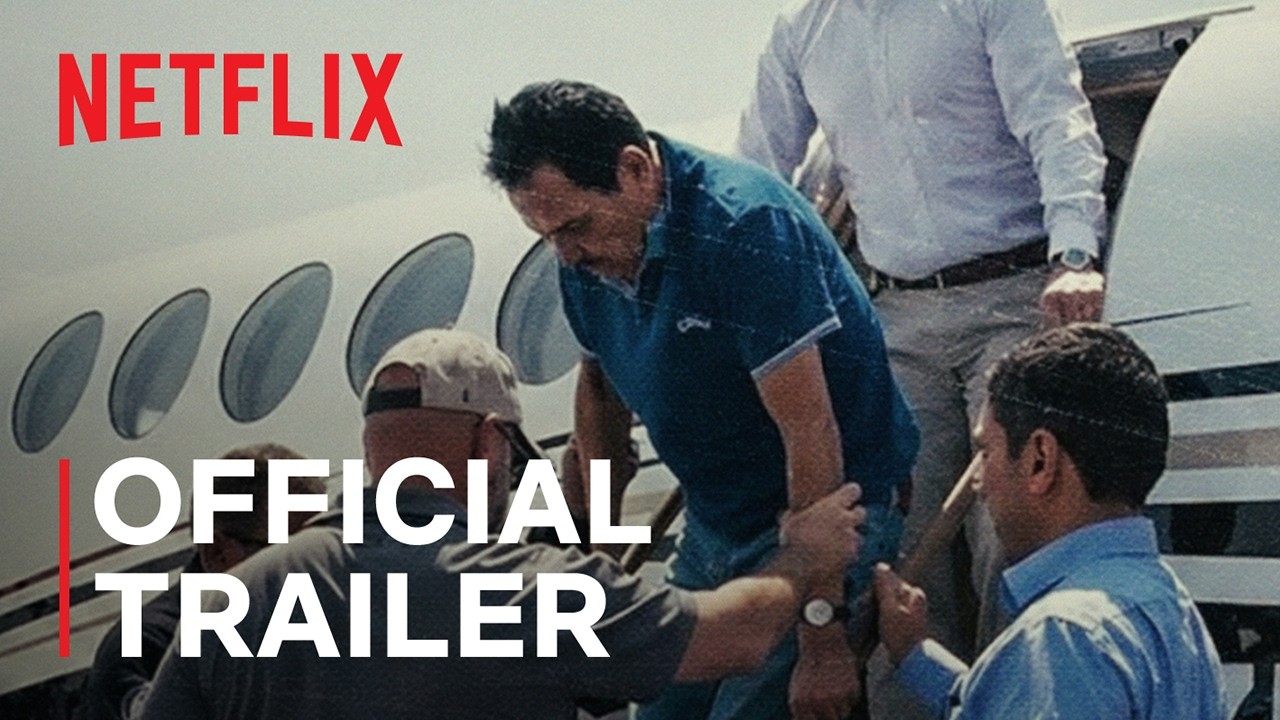
Who was the man in the hat?
Born in 1948 in El Álamo, in the Mexican state of Sinaloa, Ismael Zambada García co-founded the Sinaloa Cartel alongside Joaquín “El Chapo” Guzmán, Juan José Esparragoza Moreno (“El Azul”) and Héctor Luis Palma Salazar. While El Chapo became the public face of Mexican drug trafficking, El Mayo preferred silence: he handled logistics, negotiated routes and maintained a network of contacts that reached politicians, military officers and police on both sides of the border.
The “man in the hat” nickname came from that low profile. For decades, U.S. authorities offered a reward that reached $15 million for information leading to his capture. He was accused of shipping tons of cocaine, marijuana and heroin into the United States and, in later years, of involvement in the fentanyl trade — which made him a priority target in the drug war. Yet recent photographs of him were scarce, and no public recording of his voice existed.
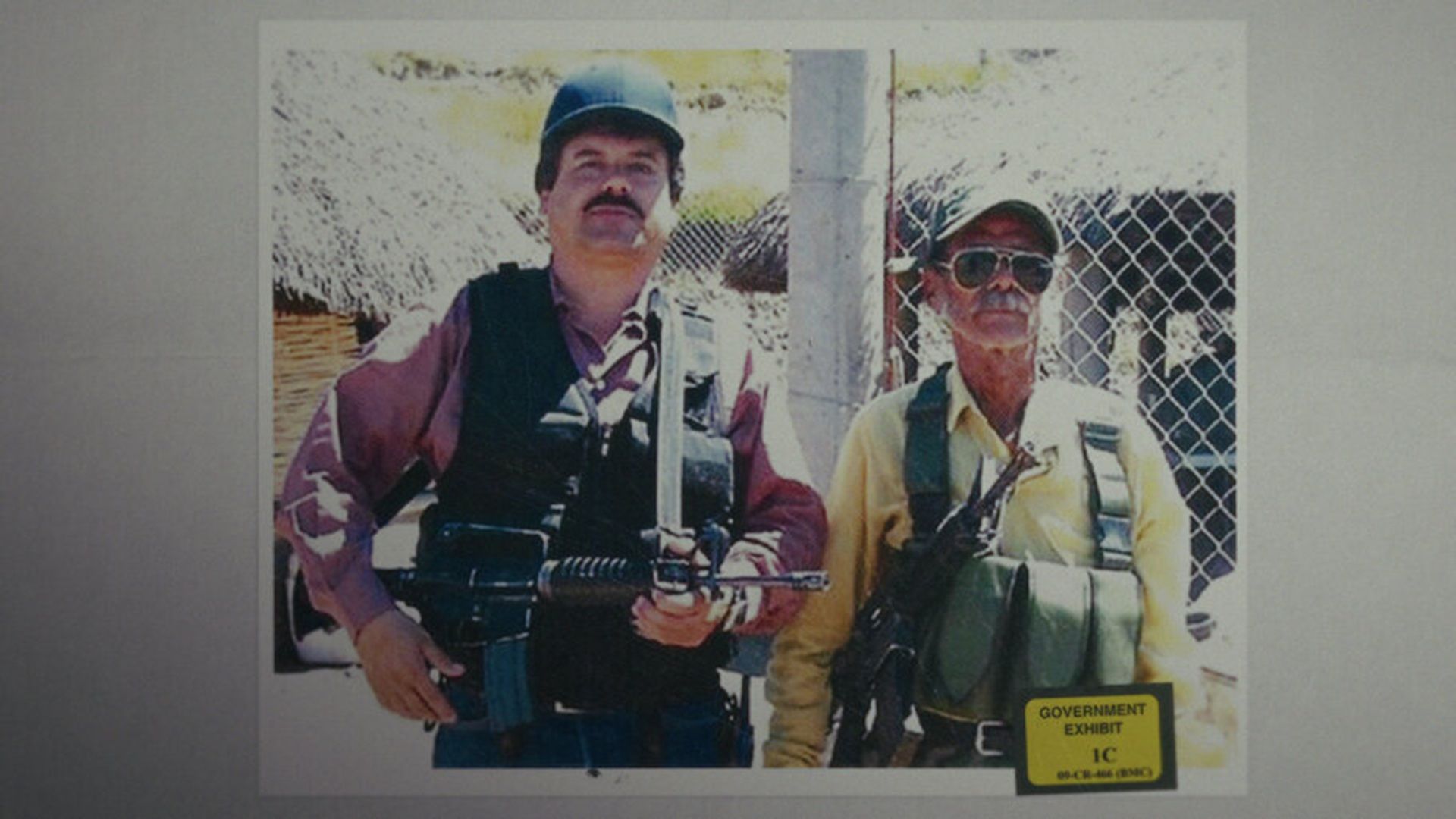
That absence of a paper trail became the filmmakers’ central challenge. “Before his downfall, there were only a few photos of El Mayo and not a single recording of his voice,” Foster and Fernández Flores said in Netflix’s press release. “We combined investigative journalism with first-person storytelling, interviewing those who were directly involved in key events: security agents, politicians and journalists, as well as people close to the cartel and to the families caught in the middle of it all.”
The flight of July 25, 2024
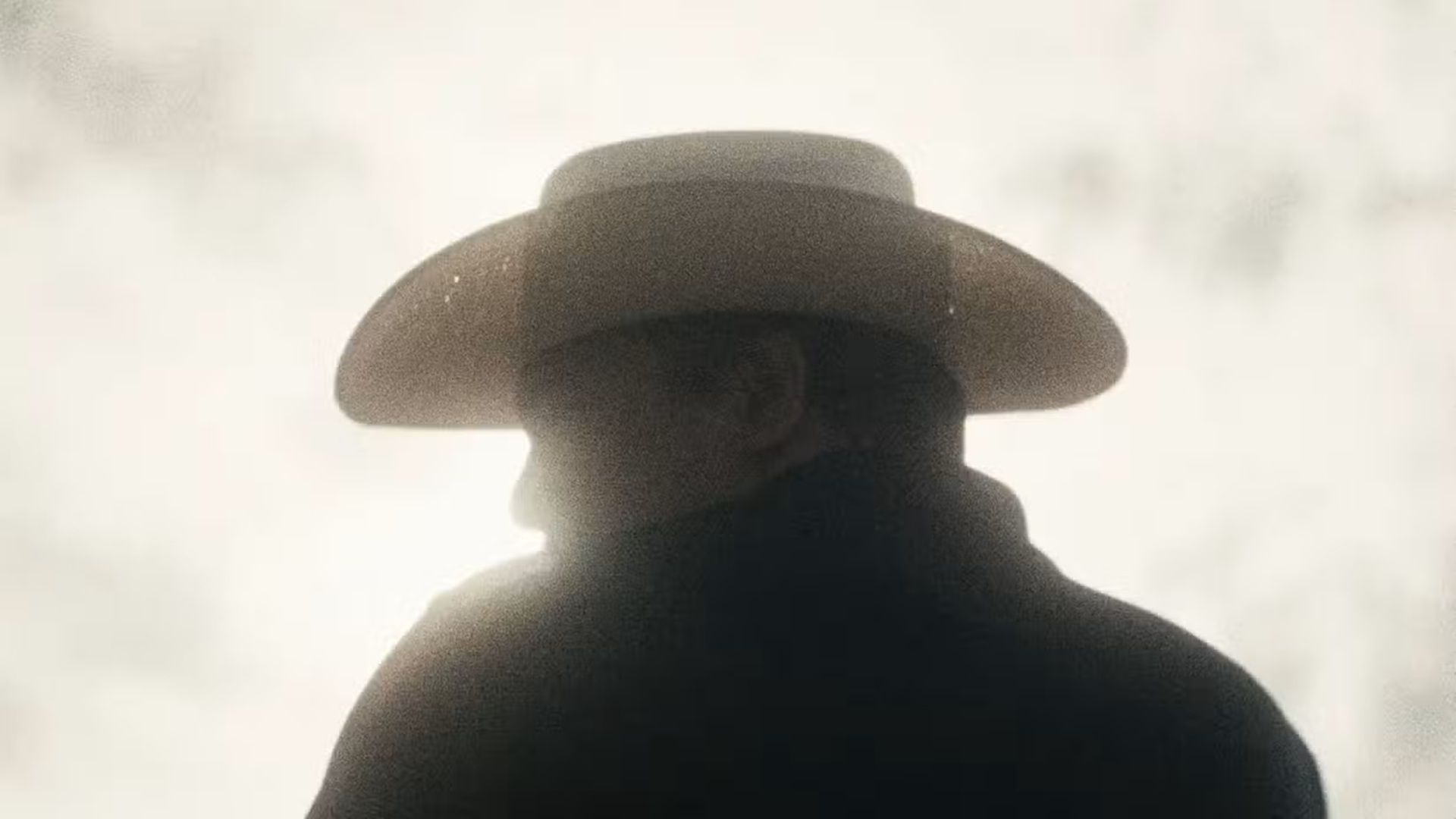
His downfall began with a trap. According to accounts reconstructed by the press and the documentary, El Mayo was persuaded to attend a meeting near Culiacán under the pretext of inspecting land for new airstrips. At the meeting he was subdued, bound and sedated, then put on a private plane that crossed the border. The aircraft landed at a small airport in Santa Teresa, New Mexico, where he was handed over to U.S. authorities alongside Joaquín Guzmán López, El Chapo’s son. Zambada was 74 at the time.
The official account has always coexisted with three hypotheses the series examines in detail: kidnapping, betrayal or a covert operation. It remains unknown whether U.S. agencies helped facilitate the cross-border flight. The episode also triggered a diplomatic crisis: Mexico opened its own investigation, sought Guzmán López’s extradition and pressed Washington for answers. In the following months the Sinaloa Cartel split into two factions — Los Chapitos, tied to El Chapo’s sons, and La Mayiza, loyal to the old leader — and the fight for territory turned parts of Sinaloa into a war zone.
Guzmán López surrendered the same day and, in late 2025, pleaded guilty in the abduction case, becoming a cooperating witness for U.S. prosecutors. Zambada took the opposite path: he stayed in custody in Brooklyn, New York, and built a defense around the claim that he had been kidnapped and taken to the United States against his will.
From guilty plea to life in prison
In August 2025, Zambada changed course and signed a plea agreement. He admitted to racketeering conspiracy and to running a continuing criminal enterprise after the U.S. Justice Department decided not to seek the death penalty. Sentencing came on July 20, 2026, at the federal courthouse in Brooklyn, under Judge Brian M. Cogan — the same judge who presided over El Chapo’s trial in 2019.
The punishment was the maximum available: life in prison without parole, plus forfeiture of $15 billion in assets and drug proceeds. Before the sentence was read, the aging leader read a letter aloud in which he took responsibility for his crimes and called for an end to the violence that has ravaged Mexico for decades.
“I did not go to trial because I did not want to deny the truth.” (...) “Violence must end.”
The ruling did not close the case. His defense asked that he be sent to a federal medical facility rather than a standard prison because of his health. During the hearing, Cogan said the defendant was “drifting” toward being “cognitively impaired,” and Mexican outlets reported early signs of dementia. Prosecutors argued that security concerns remain valid, because people loyal to Zambada still control the cartel and could help him direct operations from behind bars.
His final placement now depends on the U.S. Bureau of Prisons. El Chapo is serving his life sentence at a maximum-security prison in Colorado.
How the documentary was made
“The Fall of El Mayo” is neither a book adaptation nor a rushed project. Darren Foster has won a Peabody and an Emmy; Miguel Fernández Flores worked on “VICE News Tonight” and “Vice Investigates.” Foster shares executive producer credits with Mariana Van Zeller, known for reporting on criminal networks. The team also includes journalists with investigative backgrounds, such as producer Keegan Hamilton.
- Directors: Darren Foster and Miguel Fernández Flores
- Executive producers: Darren Foster and Mariana Van Zeller
- Producers: Zoey Haar, Keegan Hamilton and Miguel Ángel Vega
- Director of photography: Michael Lockridge
- Editors: Chris Kronus, Joaquín Elizondo, Erik Chapelle and Hunter Gross
The method combines documentary reconstruction with archival investigation. The directors obtained hundreds of Mexican and U.S. court files and interviewed security agents, politicians, journalists and victims’ families. The aim is less to celebrate the capo myth than to understand the machinery that allowed a discreet man to survive half a century at the top of a violent organization.
“The repercussions of that July 25 continue to reverberate throughout the world of organized crime, in US-Mexico relations, and — most tragically — in the lives of countless innocent people caught in the midst of the latest chapter in a failed war on drugs.”
What critics and viewers are saying
Early reactions have been largely positive, though the volume of professional reviews remains small. Decider recommended the series outright (“STREAM IT”), praising its ability to show how El Mayo operated in the shadows and how U.S. law enforcement finally caught him. On IMDb, viewers have called it “compelling” and some described it as one of the best documentaries of 2026.
Comparisons with fiction are inevitable. Netflix built part of its reputation on “Narcos,” and filmmaker Taylor Sheridan has mined the same territory in “Sicario.” The difference here is that there are no actors and no dramatic license: there is testimony, documents and an attempt to reconstruct an episode that reporters in both countries are still investigating.
The show’s success also revives a debate about the ethics of true crime. Productions about drug lords are often accused of romanticizing violence and turning criminals into celebrities. This series tries to preempt that criticism by giving space to victims’ families and by framing the drug war as a failed policy — but its fast, cinematic three-episode format still feeds the spectacle that the genre carries.
Why the story still matters
“The Fall of El Mayo” arrives at a delicate moment in U.S.-Mexico relations. In 2025, Washington designated the Sinaloa Cartel as a foreign terrorist organization and began pressing Mexico for tougher action against criminal groups. The internal war between Los Chapitos and La Mayiza continues to drive killings and displacement in Sinaloa, and Zambada’s case still fuels questions about the role of U.S. agencies in the operation that put him in a courtroom.
For international audiences, the series also works as a primer on the geopolitics of drug trafficking: how criminal networks penetrate institutions, how plea deals shift the balance of power and why the capture of a single man can destabilize an entire region. That is the context usually missing from headlines about seizures and shootouts.
Viewers who want more can compare it with other recent titles, such as “Minimum Wage,” which has also been making news, or revisit the deal for “Jack of Spades,” Joel Coen’s new film acquired by the streamer. More coverage is available in our series and TV section.
Sources: official synopsis and credits are in Netflix’s press release; the title page is here. Court details were confirmed by The Guardian, and streaming figures by FlixPatrol.
Suggested and related articles
Netflix November 2026: Black Doves Leads Strong Slate

Magic: The Gathering Could Outshine Arcane on Netflix
10 Prime Video Shows Where Every Episode Is a 10/10

Iceblade Sorcerer Season 2 Reveals 5 Cast Members

Druski Signs Netflix Deal, Sets 'Collect & Praise' Series