Magic: The Gathering Could Outshine Arcane on Netflix
Published on · Updated on
With Terry Matalas, Patrick Osborne and studio DIGIC, Netflix's Magic: The Gathering animated series aims to inherit the legacy that Arcane left behind.

Netflix is still developing an animated series based on Magic: The Gathering, the Wizards of the Coast trading card game, and the project has become the leading candidate to inherit Arcane's prestige in the streamer's adult fantasy lineup. The show was revived in September 2024 after an earlier version was cancelled, and it brings together showrunner Terry Matalas (12 Monkeys, Star Trek: Picard), Oscar-winning director Patrick Osborne (Feast) and Hungarian studio DIGIC Pictures. The story follows pyromancer Chandra Nalaar and fellow planeswalkers Ajani Goldmane and Jace Beleren across a multiverse of distinct worlds. At the time of publication, Netflix had not announced a premiere date.
A second chance, seven years later
Magic's road to the screen has been as turbulent as its characters'. The first adaptation was announced in 2019, with Joe and Anthony Russo, directors of Avengers: Endgame, attached as producers. In 2021, actor Brandon Routh revealed he had been cast in the lead role, and the show was written and recorded. Three years later, Routh confirmed that version had been scrapped as part of a wave of animated project cancellations at Netflix.
In September 2024, during Geeked Week, the platform announced a complete restart. Terry Matalas came on board as showrunner and executive producer, with Patrick Osborne as supervising director and executive producer. The production is being made in partnership with Hasbro Entertainment and Wizards of the Coast, which own the property. At the same time, Netflix released the first official image: two silhouettes against a red sky, with Chandra in the foreground and Ajani beside her.
The announcement came without a date, voice cast or episode count. Since then, updates have arrived in dribs and drabs — which, for a franchise with a history of unfulfilled promises, has become part of the anticipation. The difference this time is that there is an announced team, a contracted studio and a completed script.
Who is running the adaptation
Matalas is not a new name to anyone who follows science fiction on television. He created 12 Monkeys, served as showrunner on the third season of Star Trek: Picard and wrote VisionQuest, the Marvel Television series released in 2026. The choice signals an approach more interested in serialized mythology than in easy nostalgia: his résumé is built on long arcs, time travel and characters who carry the weight of their own choices.
Beside him, Osborne brings the toolkit of big-studio animation. He worked on Big Hero 6 and Wreck-It Ralph and won the Oscar for best animated short for Disney's Feast. Simon Rogers, a veteran production designer, serves as art director. Animation duties went to DIGIC Pictures, a Budapest studio known for game cinematics such as Assassin's Creed Shadows, Rainbow Six Siege and Star Wars Outlaws, as well as the Prime Video series Secret Level.
DIGIC was announced at the 2025 Annecy Festival, where Netflix presented the project in its adult animation slate. By then, Matalas had already said that every first-season script was complete and that production had moved into casting and animatics. The chosen format is CGI — a decision the showrunner justified by the need to portray dozens of worlds and magical effects without the prohibitive cost of a live-action blockbuster. Details are available in DIGIC's official announcement and in Netflix's announcement.
"It has been an absolute dream collaboration with Netflix, Hasbro Entertainment, Wizards of the Coast, and the brilliant Patrick Osborne to bring the many worlds of Magic: The Gathering to streaming. Those new to this sprawling saga will learn what millions of fans who play every day already know. Magic is the ultimate storytelling sandbox, brimming with iconic, complex characters, extraordinary mind-bending powers, and portals to every genre imaginable. It is also a powerful reminder that no matter what culture, country, or plane of existence you come from, we can all unite and become heroes together."
Chandra, Ajani and Jace: the throughline
Choosing Chandra as the lead is no accident. The pyromancer has been one of the game's most recurring characters since her first card in 2007, and she carries themes that work well in television drama: loss, impulsiveness, guilt and the difficulty of controlling a power that can destroy everything around her. Matalas said he grew close to the character while diving into the game's lore and decided to use her as the entry point for viewers who have never touched a card.
Ajani Goldmane, the leonine planeswalker tied to white magic, and Jace Beleren, the blue mind mage, complete the main trio. The combination lets the story alternate between action, strategy and mystery — something Magic's own structure encourages, since every plane of existence has its own rules of magic, politics and visual identity.
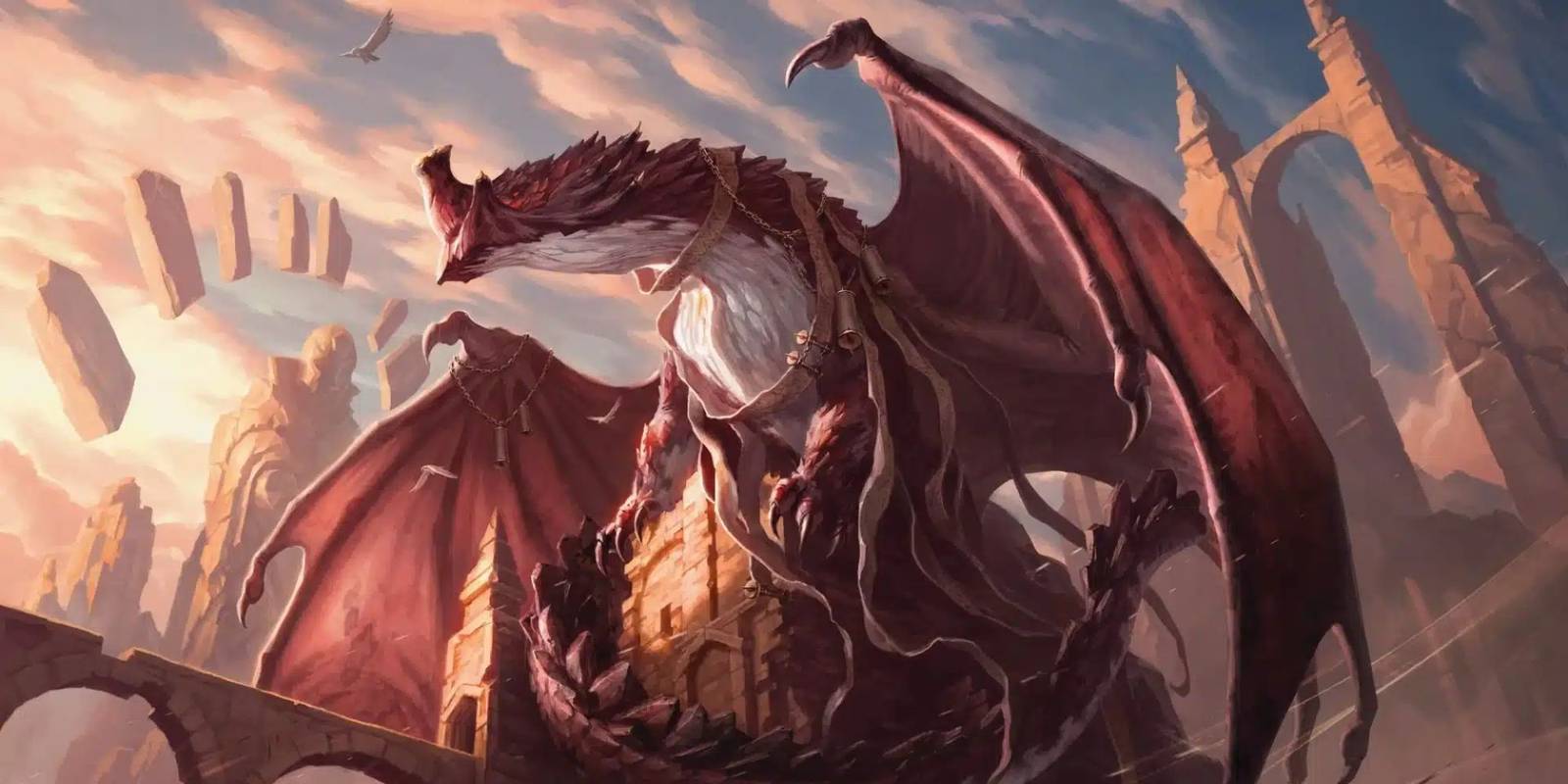
This is where the series separates itself from other game adaptations. Instead of turning a single campaign into a season, the Magic universe works as an anthology of worlds connected by a fixed cast. Kamigawa can be cyberpunk; Innistrad, gothic horror; Ravnica, urban intrigue. The show can change genre without changing franchise, a narrative advantage few catalogs can offer.
"We are thrilled to bring Magic: The Gathering to the screen for the first time. Based on one of the most popular trading card games of all time, this is the one that started and defined the genre three decades ago, and is still going strong. This series is an epic fantasy saga that centers around three powerful mages, known as planeswalkers, who are able to travel across infinite worlds, each one vividly distinct from one another."
Arcane's legacy and the inevitable comparison
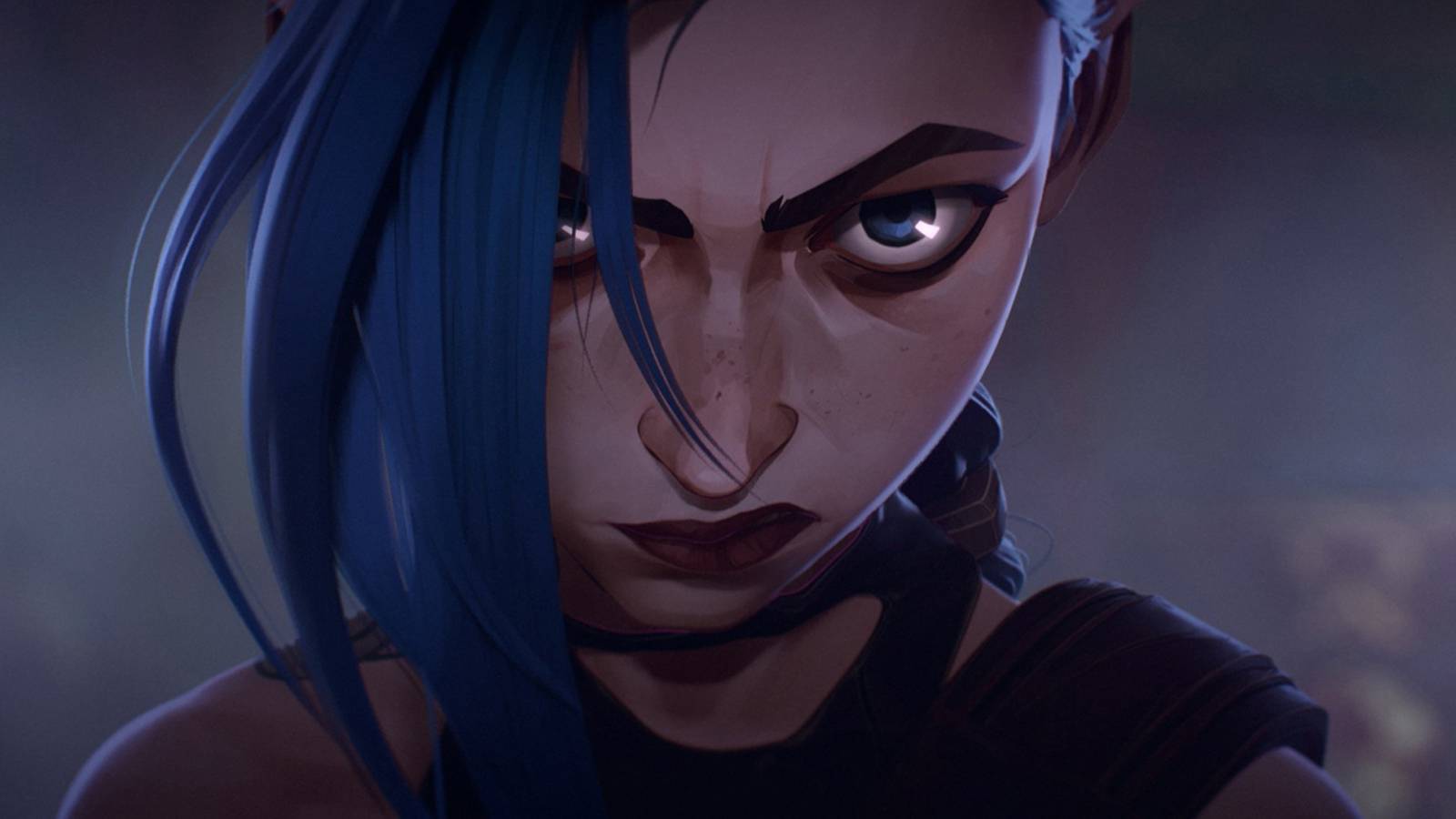
Arcane wrapped its run after two seasons, released in 2021 and 2024, and left a hard benchmark to ignore. Produced by Fortiche for Riot Games, the series adapted the League of Legends universe with a painterly look that blended painting and 3D animation, turning a rivalry between sisters into a drama about class, technology and trauma.
The numbers explain the weight of the comparison. Season 1 topped Netflix's Top 10 in 52 countries in its debut week and became the first streaming series to win the Emmy for Outstanding Animated Program, in 2022. In total, the production has collected eight Emmys and nine Annie Awards for its first batch of episodes alone. Season 2 spent five consecutive weeks in the platform's global Top 10.
| Arcane | Magic: The Gathering | |
|---|---|---|
| Source material | League of Legends (Riot Games) | Wizards of the Coast card game (Hasbro) |
| Studio | Fortiche (France) | DIGIC Pictures (Hungary) |
| Format | 3D animation with a painterly finish, two seasons | CGI, first season in production |
| Creative team | Christian Linke and Alex Yee | Terry Matalas, Patrick Osborne and Simon Rogers |
| Premiere | 2021 and 2024 | No announced date |
| Recognition | Eight Emmys and nine Annies for Season 1 | Not yet evaluated |
What Magic can do that Arcane could not — and where the risks lie
The card franchise has a scale that League of Legends did not offer to the same degree. There are more than 27,000 distinct cards, released since 1993, and a universe that has already passed through medieval fantasy, science fiction, horror and comedy. Wizards of the Coast estimates 50 million players worldwide and annual revenue above US$ 1 billion, figures that explain why Hasbro treats the property as a licensing priority.
For Netflix, that means a franchise with a built-in audience and potential for multiple seasons, spin-offs and merchandise. For viewers, it means the chance to follow a story that does not have to run out in two years. It is exactly the kind of property the platform has pursued since Stranger Things demonstrated the value of an owned narrative universe.
The risks, however, are proportional. The first is technical: DIGIC's realistic CGI will be compared to Arcane's handcrafted look, and any stiffness in the animation could become an argument against the series. The second is narrative: adapting an extensive mythology without losing the newcomer is the same challenge Riot faced — and solved by narrowing the scope to the relationship between Vi and Jinx.
The third is the calendar. The project has accumulated seven years of back-and-forth, and Netflix has still not set a premiere. In August 2026, the series appeared only as "upcoming" in a list of the platform's animated titles, with no defined window. For a production that has already been cancelled once, the absence of a date is a reminder that nothing is guaranteed until launch.
There is also the pressure of representation. Matalas said Hasbro and Wizards of the Coast monitor development closely, but described the relationship as collaborative. Balancing longtime fans and newcomers is the final test — and the reason the series cannot be just a sequence of Easter eggs for the initiated.
What is confirmed — and what is missing
- Format: an adult animated CGI series, produced by Netflix in partnership with Hasbro Entertainment and Wizards of the Coast.
- Team: Terry Matalas (showrunner), Patrick Osborne (director), Simon Rogers (art director) and DIGIC Pictures (animation).
- Leads: Chandra Nalaar at the center, alongside Ajani Goldmane and Jace Beleren.
- Scripts: every Season 1 episode was written as of May 2025, according to Matalas.
- Premiere: no date, trailer or voice cast announced as of November 3, 2026.
What is missing, then, is the most important part: footage and a date. Netflix tends to concentrate the marketing for its adult animation in the weeks before launch, as it did with Arcane and other bets in the genre. If the series follows the same playbook, the first trailer should arrive alongside the official premiere window.
Until then, the comparison with Arcane will continue. The difference is that Magic: The Gathering does not need to match Riot's series to succeed: it only needs to prove that a three-decade-old card game can become television drama without relying on prior knowledge. If it does, Netflix will have found not a replacement, but a franchise with enough stamina for the next decade.
Read also: our list of the most anticipated Netflix series of 2026 and the platform's third-quarter 2026 results. More television coverage is available in the series and TV section.
Suggested and related articles
Netflix November 2026: Black Doves Leads Strong Slate

Netflix's 'The Fall of El Mayo' Is a Global Streaming Hit
Green Lantern: DC Animated Series Sets 10-Episode Order
Haunted Hotel Season 2 Confirmed by Netflix: Release Window, Cast and Animated Series Details
10 Prime Video Shows Where Every Episode Is a 10/10