50th SP Film Fest awards Colombian drama on armed conflict
Published on · Updated on
The 50th São Paulo International Film Festival crowned 'Five Years, Four Months' as Best Film and honored Mexican director Fernanda Tovar for her work.
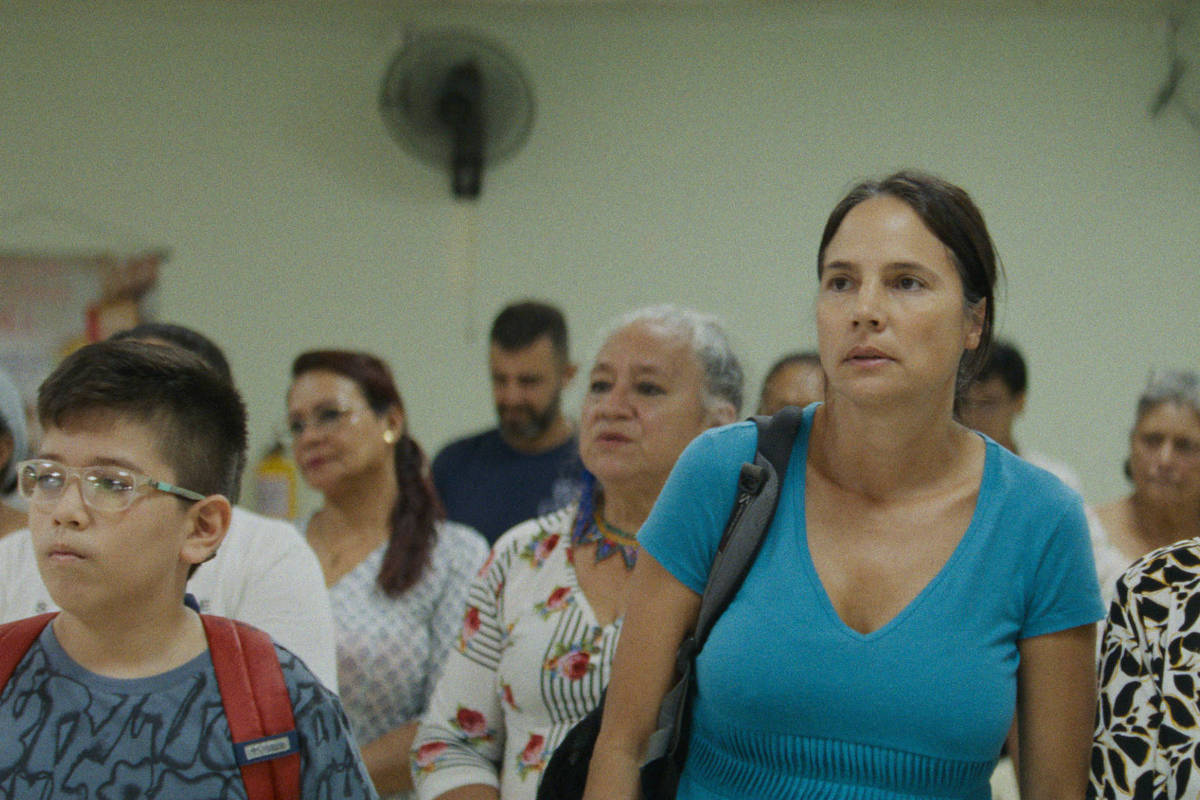
The 50th São Paulo International Film Festival concluded its landmark edition by honoring works that confront memory, historical trauma, and systemic grief across Latin America. During the closing ceremony held at the Teatro Cultura Artística in downtown São Paulo, the Colombian-American co-production Five Years, Four Months (Cinco Anos, Quatro Meses), directed by Esteban Hoyos García and Juan Miguel Gelacio, claimed the festival’s top prize as Best Fiction Film from the International Jury. Simultaneously, Mexican filmmaker Fernanda Tovar earned widespread acclaim for Sad Girls (Chicas Tristes), securing both the Best Director award and the International Critics Prize, underscoring the creative vitality of Latin American storytelling in Revista Pixel’s film coverage.
Celebrating half a century of curatorial distinction, the festival presented hundreds of features over two weeks of packed theater screenings across São Paulo. The closing night began with the official premiere screening of Everything Can Be Seen, the anticipated project directed by Nathan Fielder and Lance Oppenheim, before the international jury unveiled the award recipients.
Confronting national grief in "Five Years, Four Months"
Directed by Esteban Hoyos García and Juan Miguel Gelacio, Five Years, Four Months addresses one of Latin America’s most protracted conflicts: the deep societal scars left by Colombia’s internal armed strife. The story follows Martha, a grieving mother who journeys across rural terrain in search of the remains of her son, who disappeared years earlier during violent confrontations in the Colombian countryside.
Along her arduous journey, Martha meets Sandra, another woman processing her own unresolved losses. Together, they travel toward a secluded village where, according to a persistent regional legend, one can make a solemn request to the dead to obtain closure denied by the living. Rather than resorting to sensationalist depictions of violence, García and Gelacio maintain a patient, contemplative rhythm that emphasizes quiet endurance, human dignity, and female solidarity in the face of profound national sorrow.
“Five Years, Four Months approaches the legacy of the Colombian conflict not merely as a matter of historical record, but as a living wound that demands attentive listening, reverence, and solidarity.”
Fernanda Tovar's breakout triumph with "Sad Girls"
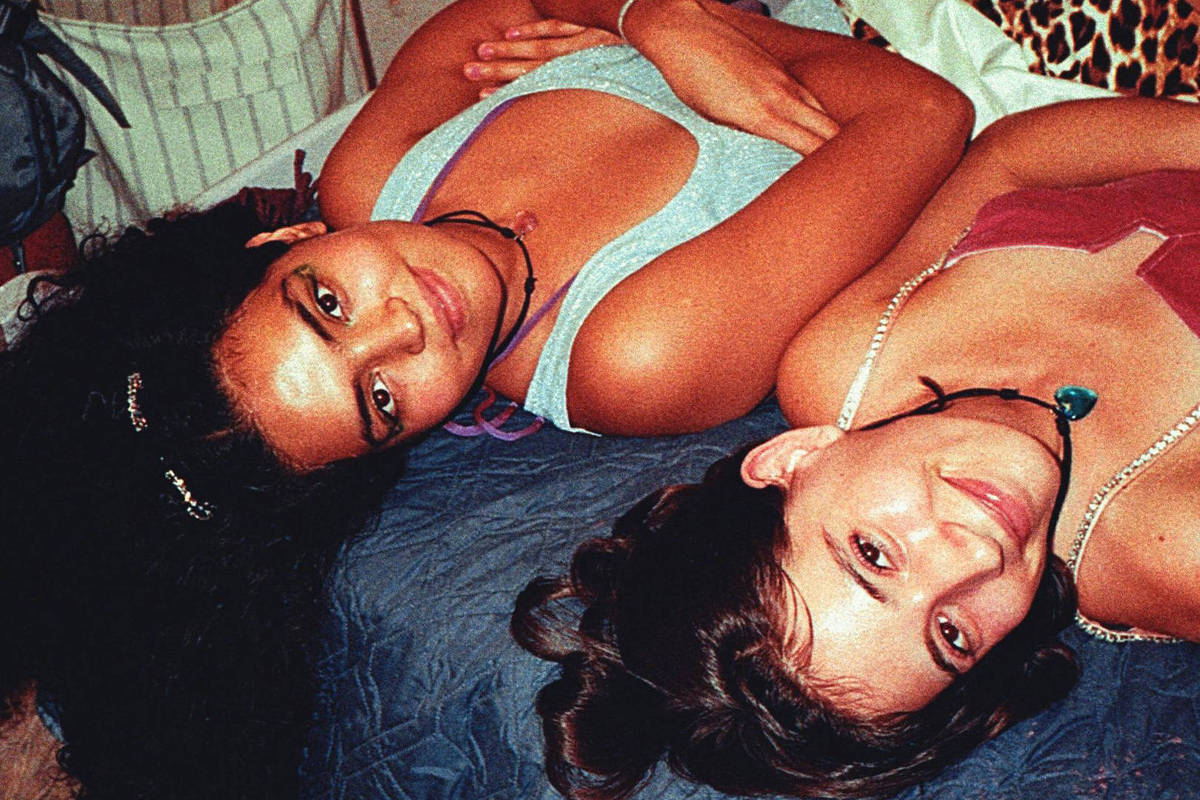
While Colombia captured the top jury honor, Mexican cinema took center stage through Fernanda Tovar’s piercing drama Sad Girls (Chicas Tristes). The film delves into the delicate relationship between Paula and La Maestra, two 16-year-old companions whose bond is severely tested after Paula survives a traumatic sexual assault. In the wake of the crime, their starkly contrasting coping mechanisms create an emotional wedge: while La Maestra demands immediate confrontation and righteous retribution, Paula retreats into silence, seeking solitude to process the profound trauma.
Critics and jurors alike praised Tovar’s restrained visual approach, which deliberately avoids exploiting the trauma on screen. Instead, the director focuses on the fragile dynamics of teenage friendship under intense social pressures. Tovar’s dual win—taking home Best Director from the official jury as well as the International Critics Award—establishes her among the most compelling new voices in contemporary cinema, as highlighted in our pop culture analysis section.
Brazilian cinema in the spotlight: "Pequenas Tragédias"
Brazilian productions received widespread praise across both competitive and audience-voted categories. The premier domestic honor, the Brazilian Critics Award for Best Film, went to Goiás-born filmmaker Daniel Nolasco for his reflective drama Pequenas Tragédias. In this intimate work, Nolasco revisits his youthful circle of friends, composed largely of queer individuals who left their conservative hometown in provincial Brazil to seek self-actualization and personal freedom in larger metropolitan centers.
Nolasco blends staged fiction with candid documentary elements, weaving an affectionate portrait of diaspora, identity, and the enduring complexity of hometown memories. The recognition from the Brazilian critics fraternity honors an uncompromising auteur who consistently explores vulnerable, marginalized perspectives with stylistic daring.

In the audience voting sections, festival attendees celebrated a diverse slate of storytelling. The Audience Award for Best Brazilian Fiction resulted in a historic tie between Allan Deberton’s Feito Pipa and Carlos Saldanha’s maritime adventure 100 Dias, which chronicles explorer Amyr Klink’s solo Atlantic crossing. Meanwhile, Pedro Waddington’s biographical study Fernanda won the Audience Award for Best Brazilian Documentary.
Esteemed international jury and career honors
The festival’s competition decisions were delivered by an accomplished international jury: Iranian director Ali Asgari, American filmmaker Boots Riley (Sorry to Bother You), Colombian auteur César Augusto Acevedo (Cannes Caméra d’Or winner for Land and Shade), and renowned Brazilian filmmaker Laís Bodanzky (Brainstorm).
Marking its 50th milestone, the festival presented career tributes to several cinema icons. The Human Rights Award (Prêmio Humanidade) was bestowed upon Italian-Chilean director Marco Bechis in recognition of his powerful cinematic reckonings with state repression in South America, notably Garage Olimpo. Furthermore, the Leon Cakoff Award paid tribute to three distinct creative titans: American director James Gray, prolific Portuguese producer Paulo Branco, and Indian visionary S.S. Rajamouli, the acclaimed creator behind the worldwide phenomenon RRR.
Complete list of 50th São Paulo International Film Festival winners
Explore the full roster of award-winning titles and filmmakers from the 50th edition:
| Award Category | Winning Title | Director / Filmmaker |
|---|---|---|
| Best Fiction Film (Jury) | Five Years, Four Months | Esteban Hoyos García and Juan Miguel Gelacio |
| Best Documentary (Jury) | The Hummingbird Paints Fragrant Songs | Matteo Norzi and Èlia Gasull Balada |
| Best Director (Jury) | Sad Girls | Fernanda Tovar |
| Special Jury Prize | Edward Said: Between Worlds | Maiken Baird |
| International Critics Award | Sad Girls | Fernanda Tovar |
| Brazilian Critics Award | Pequenas Tragédias | Daniel Nolasco |
| Audience Award | Brazilian Fiction | Feito Pipa (tie) 100 Dias (tie) | Allan Deberton Carlos Saldanha |
| Audience Award | Brazilian Documentary | Fernanda | Pedro Waddington |
| Audience Award | International Fiction | The Meaning of Life | Ryūsuke Hamaguchi |
| Audience Award | International Documentary | The Hummingbird Paints Fragrant Songs | Matteo Norzi and Èlia Gasull Balada |
| Netflix Prize | Talismã | Thais Fujinaga |
| Projeto Paradiso Prize | A Professora de Francês | Ricardo Alves Jr. |
| Brada Art Direction Prize | The Judgment of Hein | Kai Stänicke |
| Prisma Queer Prize | International | I Plant My Hand in the Garden | Boris Hadžija and Hoda Taher |
| Prisma Queer Prize | Brazilian | London | Victor Di Marco and Márcio Picoli |
| Prisma Queer Prize | Special Jury | The Passion According to G.H.B. | Gustavo Vinagre and Viva Couto |
| Humanity Award | Career Tribute | Marco Bechis |
| Leon Cakoff Award | Career Tribute | James Gray, Paulo Branco, and S.S. Rajamouli |
A lasting legacy for international festival cinema
Reaching fifty continuous editions, the São Paulo International Film Festival remains a crucial bridge connecting independent global cinema with South American audiences. By foregrounding historical memory, community solidarity, and courageous artistic choices, this anniversary edition sets an inspirational tone for the international festival circuit in the months ahead.
For continuing festival insights and editorial analysis, visit Revista Pixel’s cinema section.
Based on reporting from Folha de S.Paulo and official bulletins from the 50th São Paulo International Film Festival.
Suggested and related articles

Hugh Jackman The Death of Robin Hood Hits No. 1 on HBO Max

Harry Potter: Why Gryffindor is the only chosen house
Hokum: 2026 Psychological Horror Dominates Streaming

Dune 3 Popcorn Bucket Returns With Wild Double Maw Upgrade

Return of the King: Aragorn's Best Quote in Movie History